The 90-Minute AI Pinterest Bench for a Hand-Dyed Yarn Shop
A weekly AI-assisted Pinterest routine for yarn shop owners who need steady project-led traffic without turning every colorway into generic pins.

A hand-dyed yarn shop has a strange Pinterest problem.
The products are beautiful. The photos are beautiful. The colorway names are memorable to existing customers. But a knitter on Pinterest is rarely searching for “Blueberry Nightfall merino.” She is searching for “one skein shawl pattern,” “sock yarn gift ideas,” “fall knitting color palette,” or “what yarn for a baby blanket.”
Now imagine you run that shop in July. You have a small Shopify catalog, a Friday email, two pattern collaborations coming up, and fall knitting searches are starting before you feel ready. You tried AI once and got 40 versions of “cozy yarn inspiration” that sounded fine but did not match how knitters actually plan projects.
This is where AI can help, but only if you give it a tighter job: turn real shop assets into search-led Pinterest batches, not invent a content strategy from scratch.
The diagnosis: Pinterest wants project decisions, not colorway announcements
Most yarn shops organize their catalog by what they sell:
- yarn weight
- base type
- colorway
- fiber blend
- collection name
- limited drop date
Pinterest users organize their search by what they want to make:
- “beginner friendly scarf yarn”
- “fingering weight shawl ideas”
- “hand knit socks gift”
- “neutral yarn color palette”
- “yarn for summer cardigan”
- “baby blanket yarn colors”
That mismatch is why a shop can publish dozens of good-looking product pins and still get weak outbound clicks.
The first job is not to create more pins. It is to translate your catalog into project language.
The three search pockets to choose from
For a hand-dyed yarn shop, start with one of these each week:
- Project pocket: socks, shawls, scarves, baby blankets, hats, cardigans.
- Decision pocket: yarn weight, fiber blend, color pairing, yardage, beginner difficulty.
- Season or gift pocket: fall knitting, holiday gift knits, travel knitting, teacher gifts, wedding shawls.
AI becomes useful after you choose the pocket. If you ask it for “Pinterest ideas for yarn,” it will go broad. If you ask it for “Pinterest pin angles for fingering weight yarn used in one-skein shawls for confident beginners,” it has something to work with.
The 90-minute weekly bench
You do not need a massive Pinterest automation setup. You need a repeatable bench: a short weekly block where AI helps you draft, sort, and prepare pins while you keep control of accuracy and taste.
Here is a practical 90-minute version.
1. Pick one commercial corner, not the whole catalog: 10 minutes
Choose one destination before you write anything.
Good destinations include:
- a collection page for sock yarn
- a blog post about choosing yarn for shawls
- a bundle page for fall color palettes
- a pattern collaboration page
- a gift guide for knitters
- a beginner education page with product recommendations
Avoid sending every pin to the homepage. Pinterest traffic is often early-stage, but the page still needs to answer the promise on the pin.
A useful weekly choice might be:
This week’s destination: “Fingering Weight Yarn for One-Skein Shawls” collection page.
That is much easier to pin than “new July colorways.”
2. Ask AI for search angles, then verify manually: 15 minutes
Use AI for expansion, not validation.
Prompt example:
I run a hand-dyed yarn shop. This week I want Pinterest traffic to a collection page for fingering weight yarn suitable for one-skein shawls. Generate 20 Pinterest search angles based on project intent, buyer questions, seasonality, and gift intent. Avoid vague phrases like cozy inspiration. Include possible pin title wording.
Then check the best ideas against Pinterest search suggestions. You are looking for phrases that sound like real pinner language.
Keep 5–7 angles, such as:
- one skein shawl yarn ideas
- fingering weight shawl yarn
- beginner shawl yarn guide
- fall shawl color palette
- hand dyed yarn for shawls
- lightweight shawl knitting project
- yarn gift for shawl knitters
This is also where basic Pinterest keyword research matters. AI can suggest language, but Pinterest search behavior should decide what survives.
3. Build a small pin batch: 25 minutes
For one destination, create 8–12 pins across different angles.
Do not make 12 identical product pins with different backgrounds. Mix intent types:
- Guide pin: “How to Choose Yarn for a One-Skein Shawl”
- Collection pin: “Fingering Weight Yarn Ideas for Shawl Knitters”
- Color pin: “Soft Fall Yarn Palettes for Lightweight Shawls”
- Gift pin: “A Thoughtful Yarn Gift for a Shawl Knitter”
- Comparison pin: “Merino vs Merino-Silk for Drapey Shawls”
- Beginner pin: “Best Yarn Weight for Your First Lace Shawl”
Now ask AI to draft titles and descriptions from your approved angles.
Prompt example:
Write Pinterest pin titles under 90 characters and descriptions under 450 characters for these approved angles. Use natural Pinterest SEO language. Do not exaggerate. Mention fingering weight yarn, one-skein shawls, hand-dyed yarn, and color palette only where relevant. Include a soft call to browse the collection.
Then edit hard. AI often writes too much like a catalog ad. Your final copy should sound useful and specific.
4. Create visual variations from templates: 20 minutes
A yarn shop has strong visuals, but Pinterest needs context. A beautiful skein on a table may get saves. A beautiful skein with a project decision may get clicks.
Use 3–4 repeatable templates:
- close-up skein photo with project-led overlay
- three-color palette layout
- yarn plus finished sample or swatch
- comparison layout with two bases
- gift-guide style layout
Good overlay examples:
- “One-Skein Shawl Yarn Ideas”
- “Fall Palettes for Fingering Weight Projects”
- “What to Knit With Merino-Silk Yarn”
- “Yarn Gift Ideas for Sock + Shawl Knitters”
Keep overlays readable on mobile. Pinterest is not the place for tiny type, long quotes, or colorway names that only your existing customers understand.
5. Schedule with boards, UTMs, and spacing: 15 minutes
Assign each pin to the most relevant board. A pin about shawl yarn should not go to a generic “Knitting” board if you have a more specific “Shawl Knitting Ideas” or “Hand Dyed Yarn Projects” board.
Add simple Pinterest UTMs so you can separate traffic later:
utm_source=pinterest&utm_medium=organic&utm_campaign=shawl_yarn_july&utm_content=fall_palette_pin
If you want a dedicated place to turn approved titles, descriptions, links, and board choices into scheduled pins, a Pinterest-focused tool like PinPinMe can help keep the batch organized without mixing it into a general social media calendar.
Space the pins over several weeks. A small batch does not need to go out in one day.
6. Review one tiny signal before making the next batch: 5 minutes
Do not wait for perfect attribution. Look for direction.
Each Friday, note:
- which pin angle got saves
- which pin angle got outbound clicks
- which board received traction
- which destination kept visitors on-site
- which product or collection was clicked from the landing page
This is lightweight Pinterest analytics, but it prevents you from using AI to scale the wrong thing.
Examples: turning yarn shop assets into pin-ready ideas
Here are three realistic ways to use AI without letting it flatten your brand.
Example 1: A limited colorway drop
Weak pin angle:
New colorway: Bramble Hearth is live!
Better Pinterest angle:
Fall Yarn Color Palette for One-Skein Shawls
Why it works: the first angle speaks to people who already know you. The second speaks to a knitter planning a project.
Possible pin title:
Fall Fingering Weight Yarn for One-Skein Shawls
Possible description:
Planning a lightweight shawl for fall? Browse hand-dyed fingering weight yarn in warm, wearable colorways suited for one-skein shawl projects, gift knits, and seasonal knitting plans.
Destination:
Fall shawl yarn collection page
Example 2: A customer question from email
Customer asks:
“Can I use this merino-silk base for socks?”
Pinterest angle:
Merino-Silk Yarn: Best Projects for Drape, Shine, and Softness
Possible pin title:
What to Knit With Merino-Silk Yarn
Possible description:
Merino-silk yarn has beautiful drape and sheen, but it is not the right fit for every project. See project ideas for shawls, wraps, lightweight accessories, and special gift knits.
Destination:
Educational blog post with recommended bases and product links
This is where AI is especially useful: turning one customer support answer into titles, descriptions, and outline ideas for a Pinterest-friendly post.
Example 3: A pattern collaboration
Shop asset:
A designer releases a lace scarf pattern using your tonal yarn.
Pinterest angles:
- lace scarf yarn ideas
- tonal yarn for lace knitting
- lightweight scarf knitting project
- beginner lace knitting yarn
- hand-dyed yarn for scarf patterns
Possible pin title:
Tonal Yarn Ideas for a Lightweight Lace Scarf
Possible description:
Looking for yarn that lets lace stitches show clearly? Explore tonal hand-dyed yarn options for lightweight scarf patterns, gift projects, and elegant seasonal knits.
Destination:
Collaboration page with pattern link, yarn options, yardage notes, and care instructions
The important part: the pin is not only “designer collab now live.” It is framed around the knitter’s project decision.
What AI should handle, and what you should not delegate
AI is a good assistant for:
- expanding search angles
- drafting Pinterest pin titles
- drafting Pinterest descriptions
- turning customer questions into content outlines
- suggesting board matches
- creating UTM naming variations
- summarizing weekly Pinterest reporting notes
- repurposing product education into pin copy
Keep these human:
- final keyword selection
- product accuracy
- fiber and care claims
- visual taste
- seasonal merchandising
- stock availability decisions
- whether a pin promise matches the landing page
For yarn shops, accuracy matters. If AI says a delicate single-ply yarn is “durable for everyday socks,” that can create unhappy customers. Treat AI output like a draft from a fast intern who does not knit.
Mistakes that make AI Pinterest automation look busy but weak
Mistake 1: Using colorway names as your main SEO
Colorway names are brand assets, not usually search terms. Use them on the landing page and product card, but lead pins with project language.
Better:
- “hand dyed sock yarn for gift knits”
- “fall shawl yarn palette”
- “fingering weight yarn for lace scarves”
Then mention the collection or colorway naturally.
Mistake 2: Publishing too many near-duplicates
Pinterest does not need 30 pins that all say “Shop hand-dyed yarn” over the same skein photo.
A better batch has fewer pins and more intent variety: project, color, comparison, gift, beginner help, and seasonal planning.
Mistake 3: Sending educational pins to thin product pages
If your pin promises “how to choose yarn for a first shawl,” the destination needs advice. A plain product grid may disappoint the visitor.
Either improve the collection intro or send the pin to a short guide that links to products.
Mistake 4: Letting AI remove your point of view
Many AI descriptions sound polished and empty. Keep the shop’s actual taste in the copy.
Instead of:
Discover premium yarns for all your creative projects.
Try:
Choose soft tonal fingering weight yarn when you want lace stitches to show without a busy variegated effect.
Specific beats polished.
Mistake 5: Reviewing only impressions
Impressions can make a batch look successful even when it brings the wrong audience. For ecommerce Pinterest analytics, watch saves and outbound clicks together.
A pin with modest impressions and strong clicks may be more commercially useful than a broad inspiration pin that everyone saves and nobody visits.
A short operating checklist for this Friday
Use this before your next AI-assisted Pinterest session:
- Choose one destination page, not the whole shop.
- Pick one search pocket: project, decision, or season.
- Ask AI for angle expansion, then verify with Pinterest search.
- Keep 5–7 real keyword angles.
- Draft 8–12 pin titles and descriptions.
- Edit for accuracy, specificity, and brand voice.
- Create visual variations, not duplicates.
- Match each pin to the most relevant board.
- Add UTMs before scheduling.
- Space pins across several weeks.
- Review saves, outbound clicks, and landing-page behavior.
- Feed the best-performing angle into next week’s batch.
The goal is not to automate your taste out of the business. It is to remove the repetitive drafting and organizing work so you can show up on Pinterest where knitters are already planning their next project.

The AI Project-Question Pinterest Desk for Mineral Paint Brands
A practical AI-assisted Pinterest routine for mineral paint sellers turning verified product facts, customer questions, and project intent into catalog traffic.
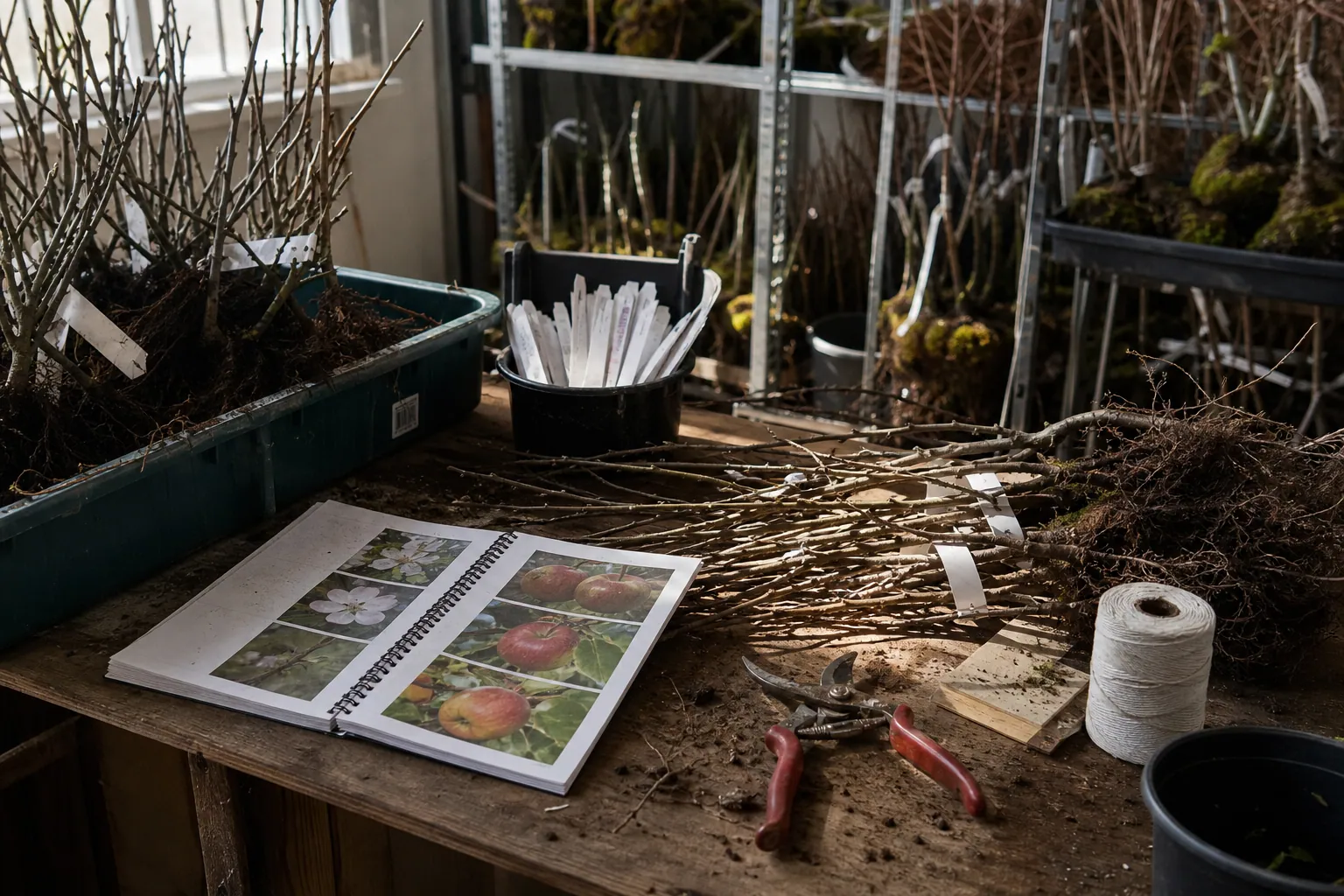
The AI Preorder Content Desk for Bare-Root Fruit Tree Nurseries
A practical AI-assisted Pinterest operating system for fruit tree nurseries that need accurate, inventory-aware preorder traffic before spring shipping.

Strategy Memo: AI Pinterest Triage for Vintage Furniture Sellers
A 30-day plan for vintage furniture sellers using AI to turn fast-moving, one-of-a-kind inventory into accurate Pinterest discovery without leaving shoppers on sold-out listings.

AI Pinterest Content for Residential Architects: 5 Approaches Compared
Compare five ways residential architecture studios can use AI for Pinterest—without inventing project details, publishing stale plans, or attracting the wrong inquiries.
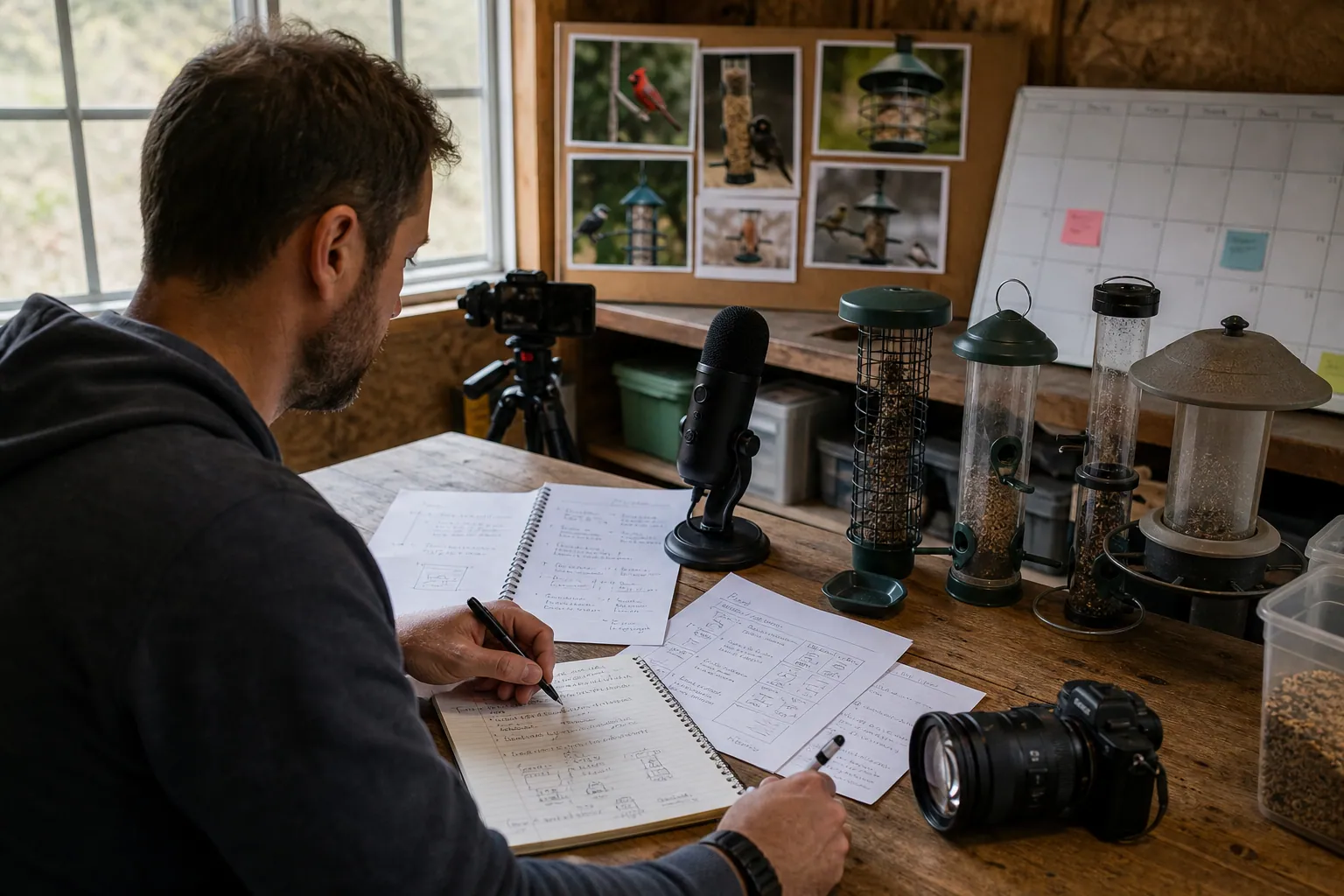
Strategy Memo: Pinterest SEO for Squirrel-Proof Bird Feeder Shops
A focused Pinterest SEO plan for bird feeder retailers: choose problem-solving content over generic bird inspiration, define useful metrics, and launch in 30 days.

The In-Stock Pinterest Playbook for Small-Space Storage Shops
A practical Pinterest routine for storage ecommerce teams that need renter and dorm-room traffic to reach in-stock collections—not discontinued shelf configurations.