The AI Compliance-Question Pinterest Desk for Hood Cleaning Companies
Use AI to turn real restaurant-owner questions into accurate Pinterest Pins that earn service-area-qualified hood cleaning inquiries—without inventing code claims.

A hood cleaning company in Phoenix has a familiar problem: its crews are fully capable, but new leads tend to arrive only after a failed inspection, a missed service, or a frustrated call from a restaurant owner who cannot find their current vendor.
The owner has useful raw material everywhere—dispatch notes, vendor-transition calls, opening-day checklists, and recurring questions from kitchen managers. Yet none of it becomes publishable content because the office team is busy routing crews and handling certificates.
AI can reduce the conversion work. It cannot decide a required cleaning frequency, interpret a local fire code, or promise that a kitchen will pass inspection. Used carefully, it can turn verified operational knowledge into a small, steady Pinterest publishing desk that helps restaurant operators plan before a problem becomes urgent.
This operator playbook is for commercial kitchen hood cleaning companies serving a defined metro area, especially those trying to win recurring accounts rather than one-off emergency calls.
Diagnose the gap before generating a single Pin
Most hood cleaning accounts do not need more generic “before and after” imagery. They need an answer to a decision that is already slowing their operation:
- “We are opening a second location. What records do we need before the first cleaning?”
- “Our old vendor disappeared. How do we transition without losing service history?”
- “Who needs to be present for an overnight hood cleaning?”
- “What should a kitchen manager check before reopening after service?”
If your Pinterest account only shows shiny hoods, AI will make that shallow content faster. Start by finding the operational questions that connect to a qualified inquiry.
Review 20 recent conversations
Pull 20 items from the last 60 days: inbound calls, estimate forms, sales notes, technician notes, and account-manager emails. In a spreadsheet, add five columns:
| Field | What to record |
|---|---|
| Exact customer language | “Need a new hood vendor before we open” |
| Trigger | Opening, failed documentation, vendor transition, grease concern |
| Kitchen type | Bakery, hotel kitchen, quick-service restaurant, commissary |
| Service-area fit | Zip code, city, or outside territory |
| Safe content angle | Checklist, preparation guide, records guide, inquiry page |
Do not ask AI to invent the category. Give it the real words customers use. You are looking for patterns that occur repeatedly and can be answered without disclosing customer details or making technical claims beyond what your company can verify.
A useful diagnosis often reveals that the real bottleneck is not content volume. It is one of these:
- The company has no durable destination pages. Every Pin goes to the home page, so restaurant operators cannot tell whether the service fits their situation.
- The team uses vague claims. “Stay compliant” sounds attractive but does not explain what the operator should prepare or ask.
- Content is disconnected from routing reality. Pins attract restaurants outside the service radius or locations your crews cannot take on quickly.
- No one measures lead quality. Saves look promising, while quote requests lack a location, kitchen type, or decision timeline.
Fix the destination and measurement problem before expanding production.
Build a verified source sheet AI is allowed to use
The safest AI-assisted process begins with a one-page source sheet. Store it where the office team can update it, and do not let AI work from memory, old brochures, or unreviewed technician notes.
Include only facts you are prepared to publish:
- Cities and ZIP codes you actively serve
- Kitchen types you do and do not serve
- Available service windows, such as overnight or scheduled after-hours work
- What happens during a hood cleaning vendor transition
- Documentation your company provides after completed work
- What customers should confirm with their authority having jurisdiction, insurer, or fire professional
- Current phone, form, and emergency-contact instructions
- Prohibited claims: “guaranteed pass,” universal cleaning intervals, unsupported fire-risk claims, competitor comparisons, and pricing promises
For example, a safe statement is: “Cleaning frequency depends on cooking volume, equipment, local requirements, and other factors. Ask your local authority and service provider about your facility.”
An unsafe AI draft is: “Every restaurant must clean its hood every 90 days.”
That distinction matters. Pinterest content has a long shelf life. A single confident but inaccurate Pin can create liability, poor-fit calls, and mistrust with facilities teams.
The weekly desk: 150 minutes from question to scheduled Pins
This routine is deliberately small. A local operator does not need daily posting to create useful commercial kitchen service marketing. It needs accurate material that remains useful between service cycles.
Monday: collect one question cluster (20 minutes)
Choose one cluster from your conversation sheet. Do not mix unrelated themes in one week.
Examples:
- Restaurant opening cleaning checklist
- Hood cleaning vendor transition
- Preparing an overnight kitchen service
- Commercial kitchen cleaning records and manager handoff
Pick the cluster based on current sales reality. If three accounts switched vendors this month, build transition content—not another generic grease-cleaning post.
Tuesday: create approved drafts with AI (35 minutes)
Feed AI the selected question cluster and the verified source sheet. Ask for drafts, not finished facts.
A practical prompt:
Using only the verified facts below, draft three Pinterest Pin title options, three 80–140 word descriptions, and a concise landing-page outline for restaurant operators changing hood cleaning vendors. Do not state cleaning frequencies, code requirements, inspection outcomes, pricing, or claims not included in the facts. Include a service-area qualifier and a clear next step.
Then have AI produce different angles from the same source material:
- A transition-records checklist
- A “what to ask a prospective vendor” guide
- A manager handoff checklist for scheduled service
This creates a Pin family rather than three near-duplicates.
Wednesday: apply the human review gate (30 minutes)
A person who understands the field must review every asset before design or scheduling. For a small operator, that may be the owner, operations manager, or senior technician.
Review for:
- Accuracy against the source sheet
- Service-area clarity
- No customer names, addresses, kitchen layouts, or photos without permission
- No implied inspection guarantee
- No outdated phone number, hours, or process
- A destination page that matches the exact promise of the Pin
This review is where the value is. AI saves drafting time; it does not replace professional judgment.
Thursday: design and schedule a four-Pin batch (40 minutes)
Create four Pins around one question cluster:
- Decision Pin: “Changing Hood Cleaning Vendors? Start With These 6 Records”
- Preparation Pin: “Overnight Hood Cleaning: What Your Kitchen Manager Should Prepare”
- Checklist Pin: “Restaurant Opening Cleaning Checklist: Hood-Service Questions to Resolve Early”
- Local fit Pin: “Commercial Hood Cleaning for [Metro] Restaurants: Request a Service Review”
Use actual, approved jobsite details where possible: a documentation folder, protected equipment, a technician preparing a work area, or a simple branded checklist. Do not use dramatic grease imagery simply because it gets attention; it may attract consumer cleaning searches instead of restaurant operators.
Schedule only the assets that pass review. A lightweight scheduler such as PinPinMe can keep approved Pins moving without requiring someone to log in every day, but the calendar should remain tied to real service capacity.
Friday: inspect lead signals, not vanity signals (25 minutes)
Use consistent Pinterest UTM tracking by topic and Pin angle. For example:
utm_source=pinterest
utm_medium=organic
utm_campaign=hood_vendor_transition
utm_content=records_checklist_v1
In your CRM or inquiry form, capture:
- Restaurant name and city
- Kitchen type
- Current vendor status
- Requested service timeframe
- Number of locations, if relevant
- “How did you find us?” with Pinterest as an option
The weekly question is not “Which Pin got the most saves?” It is: Which content route brought inquiries from serviceable commercial kitchens with a credible need?
Track qualified lead rate:
qualified Pinterest leads ÷ total Pinterest leads × 100
Also review booked walkthroughs, recurring-service proposals, and accounts won. This makes Pinterest attribution useful even when a restaurant manager saves a guide today and submits an inquiry weeks later.
Three AI-assisted content examples that attract better-fit leads
1. The vendor-transition route
A restaurant group has inconsistent records after switching operators. Create a Pin that leads to a page titled “Changing Hood Cleaning Vendors: Records to Gather Before Your Next Service.”
The page can cover:
- Previous service reports and certificates
- Access and alarm procedures
- Equipment changes since the last service
- Who approves work and receives documentation
- A request form for companies inside your service area
AI can convert this outline into title variations and a first draft. A human must determine which documents your company actually needs and what it can responsibly request.
2. The opening-kitchen route
New restaurant operators have dozens of moving parts. A commercial kitchen cleaning checklist is useful when it acknowledges that hood service is one part of opening preparation, not the entire opening plan.
Pin angle:
Opening a Restaurant? Add These Hood-Service Questions to Your Pre-Opening List
The destination page should help them identify decision-makers, access timing, equipment status, and documentation needs. It should not act as a substitute for local inspections, fire-safety guidance, or professional consultation.
3. The manager-handoff route
A multi-unit operator may not be seeking a new vendor today, but they may need a cleaner internal process. Build a concise “Night Service Handoff Checklist” with fields for manager contact, kitchen access, equipment notes, alarm procedures, and documentation delivery.
This content is valuable even to a nonbuyer. It also reveals the kind of operator who cares about repeatable maintenance—often a better recurring-contract prospect than someone looking only for the lowest emergency quote.
Mistakes that make AI content risky or ineffective
Letting AI make compliance claims
Never publish frequency, code, suppression-system, inspection, or sanitation assertions simply because they sound plausible. Keep the draft tied to approved facts, and require review from someone accountable for the work.
Turning every call into a public story
Service notes can contain private business details. Strip names, dates, locations, and identifiable photos. Convert patterns into general guidance instead of publishing a customer’s operational problem.
Sending all Pins to a generic contact page
A Pin about a hood cleaning vendor transition should reach a page about transition—not a broad home page with six services. Match the page, form, and next step to the question that prompted the click.
Automating beyond capacity
If the route is full for the next three weeks, do not schedule high-urgency messaging that promises immediate availability. Keep the source sheet current and pause or revise Pins when service territory, staffing, or intake rules change.
Measuring only outbound clicks
Clicks can come from students, home cooks, vendors, or out-of-area restaurants. Combine Pinterest analytics with form data, CRM outcomes, and service-area checks. That is how local Pinterest marketing becomes an acquisition channel rather than a content chore.
A short operating checklist
Before publishing this week’s batch, confirm:
- One recurring restaurant-operator question was selected from real conversations.
- AI received only current, approved company facts.
- A qualified reviewer checked every factual claim and image.
- Each Pin has a distinct intent and a matching landing page.
- Service territory and next step are clear.
- UTMs identify the topic and creative angle.
- The inquiry form captures location, kitchen type, and timing.
- Next week’s review will include qualified lead rate, walkthroughs, proposals, and wins—not saves alone.
A dependable Pinterest presence for a hood cleaning company is not a pile of automated posts. It is a controlled way to turn the questions your team already answers into helpful, accurate resources—and to learn which questions lead to better recurring accounts.

The AI Pinterest Desk for Wedding Invitation Studios
A practical weekly desk for invitation designers using AI to turn verified FAQs, portfolio assets, and print details into Pinterest Pins that earn better consult inquiries.
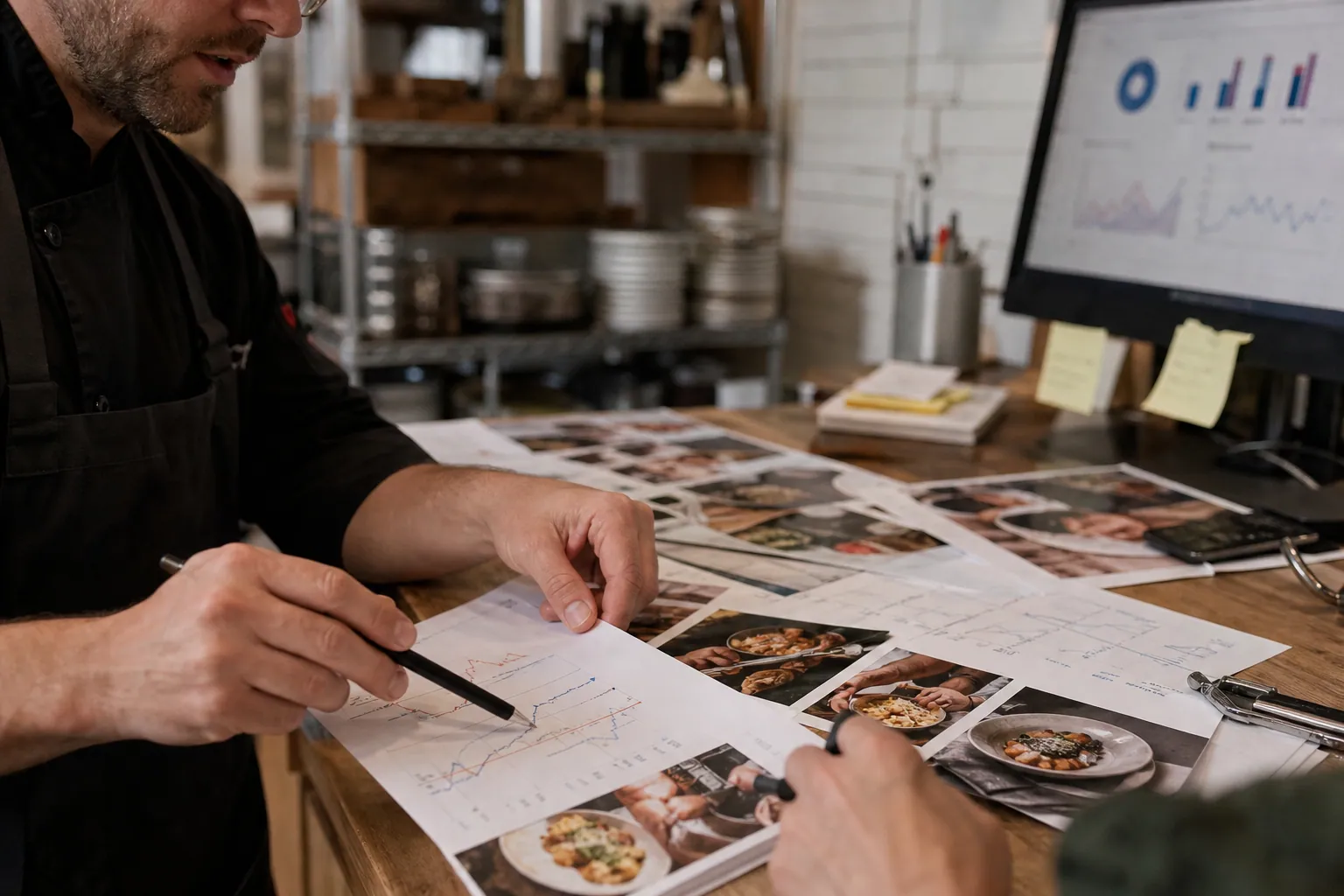
The AI Class-Calendar Pinterest Desk for Cooking Schools
A practical AI-assisted Pinterest routine for cooking class studios that need seasonal Pins to fill real seats without publishing stale dates, menus, or availability.
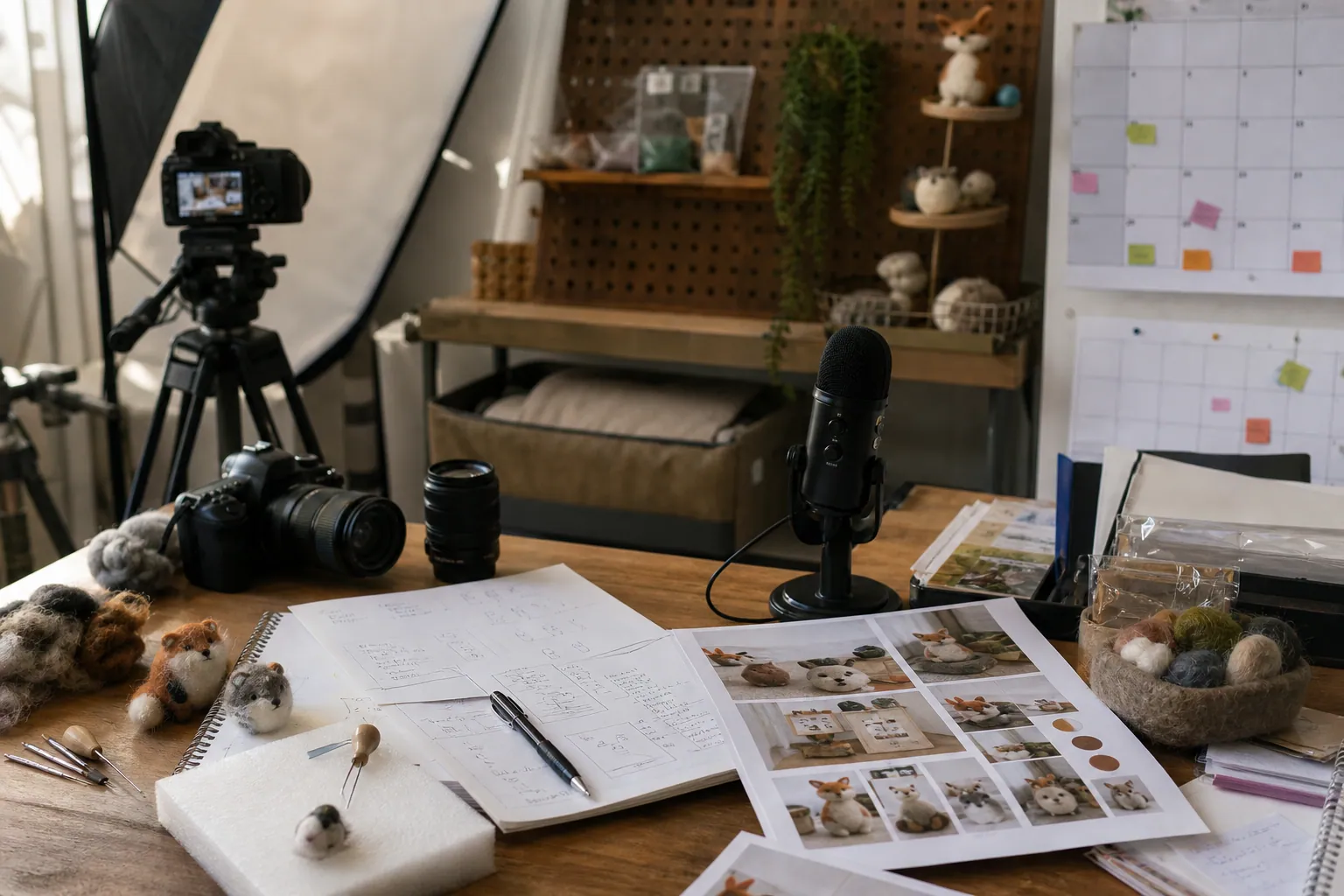
Case Study: How a Needle-Felting Kit Shop Used AI to Make Gift-Ready Pinterest Pins Without Inventing Product Claims
A composite teardown of a craft-kit retailer that used AI for faster Pinterest production while protecting product accuracy, inventory, and beginner-buyer trust.
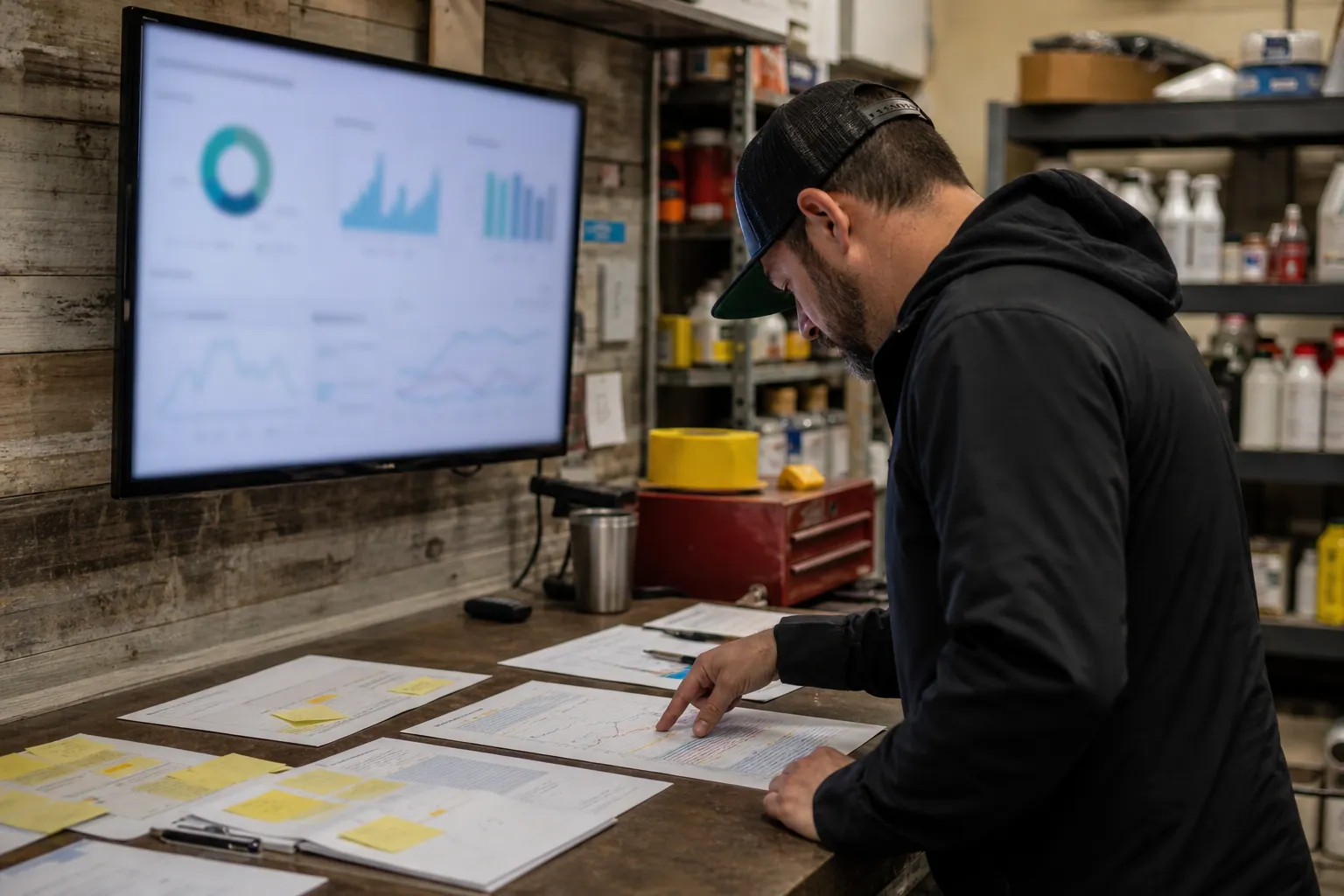
The Contract-Value Pinterest Operator Playbook for Hood Cleaning Companies
A practical testing routine for hood cleaning firms that need Pinterest traffic to create service-area-qualified maintenance contracts—not generic restaurant cleaning questions.
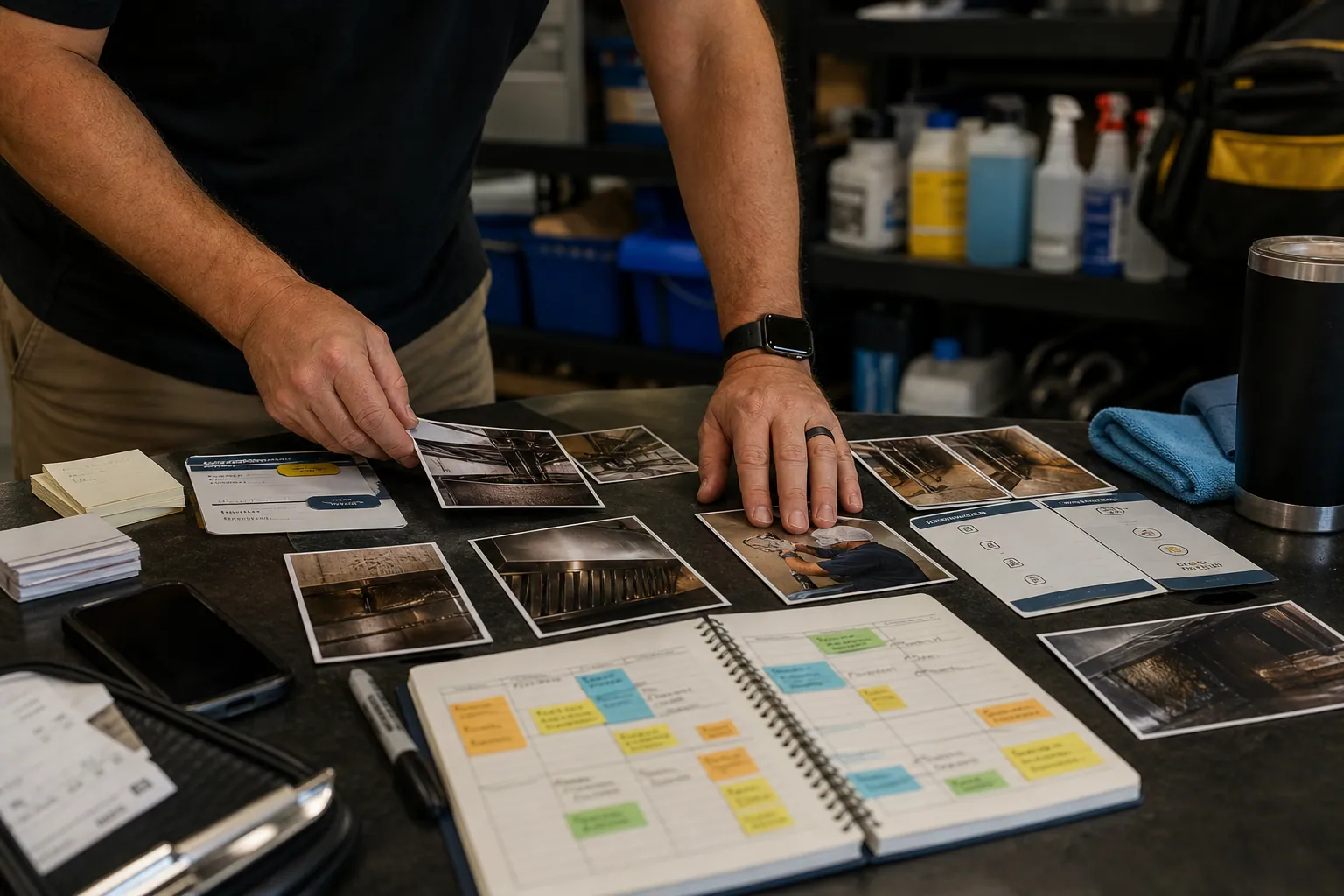
Case Study: How a Hood Cleaning Company Cut Its Pinterest Stack and Booked Better Site Walks
A composite teardown of a commercial kitchen hood cleaner that replaced scattered tools and generic food imagery with a lean Pinterest stack built for service-area-qualified leads.
Case Study: How a Home Energy Audit Company Turned “Cold Room” Pins Into Booked Assessments
A composite Pinterest teardown for home energy auditors who need draft and comfort searches to become local, serviceable assessment requests—not generic eco-home saves.