Case Study Teardown: A Drought-Tolerant Garden Designer’s Pinterest SEO Rebuild
How a garden design studio moved from portfolio pins to search-led pages that earned qualified clicks, consults, and plant-plan sales.
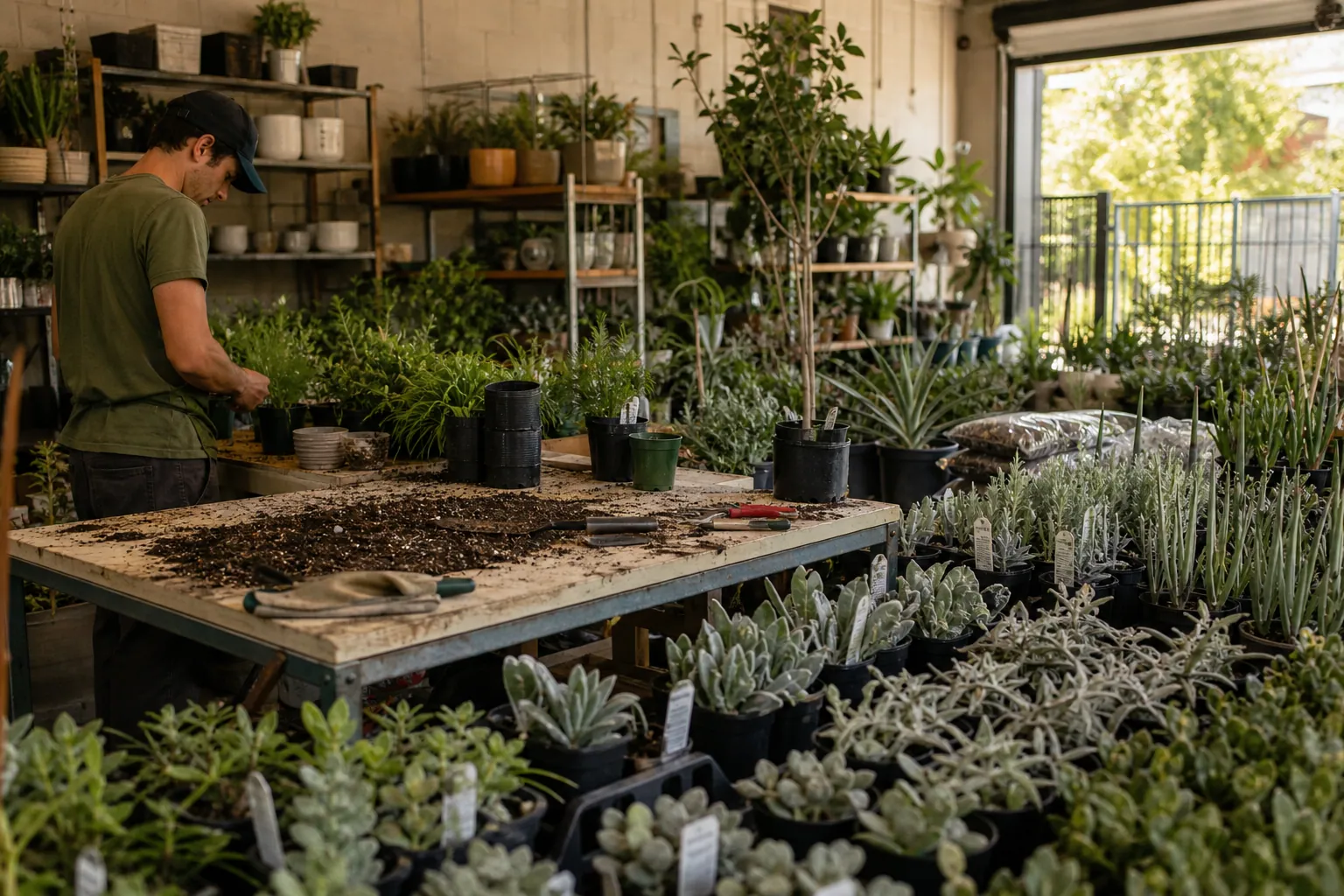
If you run a visual service, Pinterest can trick you.
A beautiful project photo can collect saves for years while sending almost no buyers. That was the problem for a two-person garden design studio in Southern California. Their work photographed well: gravel paths, native plants, modern steel edging, and front yards with no thirsty lawn in sight.
But their Pinterest account was acting like a mood board, not a search channel.
This teardown is anonymized, but the pattern is common for landscape designers, interior designers, architects, photographers, and other local service businesses: the portfolio is strong, yet the search language is missing.
The business: local design work with an evergreen search problem
The studio sold three things:
- Paid local garden consults
- Full residential landscape design packages
- A lower-priced digital plant palette for homeowners not ready for full design
Their best customers were not looking for a designer on Pinterest by typing garden designer near me. They were earlier in the decision:
- Their lawn was dying.
- Their water bill was too high.
- Their front yard looked bare after removing grass.
- They wanted curb appeal but did not know which plants would survive full sun.
That matters because Pinterest SEO rarely works by forcing commercial terms into every pin. It works when your content matches the planning language people actually use before they are ready to hire.
For this studio, the commercial moment was downstream of searches like drought-tolerant front yard ideas, low-water landscaping, gravel garden design, full-sun plants, and Southern California native garden.
The baseline: a pretty portfolio with weak search signals
Before the rebuild, the account was not dead. It had impressions, saves, and a few older pins that still circulated.
The issue was quality.
| Baseline item | What we found |
|---|---|
| Main pin style | Portfolio photos with little or no text overlay |
| Common pin titles | Project names, style labels, or vague phrases like modern garden |
| Pin descriptions | Short captions that described the image but not the homeowner problem |
| Boards | Broad inspiration boards with overlapping themes |
| Destinations | Homepage, Instagram, or thin project gallery pages |
| Tracking | No consistent Pinterest UTMs by keyword, page, or pin angle |
Their last 60 days before the SEO rebuild looked roughly like this:
- 28,000 to 35,000 monthly impressions
- About 110 outbound clicks per month
- Four Pinterest-attributed consult inquiries in the previous quarter
- Several high-save pins, but most led to the homepage or a general gallery
- Many inquiries from outside their service area with unclear intent
The studio initially thought it needed more pins. It did not. It needed clearer matches between search intent, pin titles, pin descriptions, boards, and destination pages.
Decision one: stop optimizing for garden inspiration
Garden inspiration is too broad to be a useful SEO target for a small service business.
It attracts renters, dreamers, DIY browsers, designers collecting references, and homeowners in completely different climates. Some of those people may eventually buy, but the signal is noisy.
So we narrowed the account around one buyer moment:
Homeowners replacing or rethinking a hot, dry front yard
That one choice made the keyword research much easier.
Instead of collecting every landscaping term, we sorted Pinterest keyword research into four practical buckets.
| Keyword bucket | Examples | Why it mattered |
|---|---|---|
| Yard situation | front yard, small front yard, side yard, parkway strip, entry garden | Helps the searcher see their exact space |
| Constraint | drought tolerant, low water, full sun, low maintenance, no lawn | Captures the problem driving action |
| Style or outcome | modern, Mediterranean, cottage, curb appeal, pollinator, privacy | Connects practical needs to taste |
| Local climate | Southern California, Zone 10, coastal garden, inland heat | Reduces unqualified clicks and improves trust |
The studio did not ignore broader terms. It just stopped letting broad terms lead the plan.
A pin titled modern landscaping ideas might earn saves. A pin titled drought-tolerant front yard ideas for full sun is more likely to attract a homeowner with an active project.
Decision two: rebuild four pages before creating more pins
The studio had years of project photos, but most lived on thin gallery pages with titles like Highland Park Residence or Los Feliz Garden.
Those names were meaningful to the studio. They were not meaningful to Pinterest searchers.
We turned four strong projects into search-led destination pages:
- Drought-tolerant front yard ideas for small lots
- Modern low-water backyard planting plan
- Full-sun curb appeal plants for Southern California
- Gravel garden ideas that do not look bare
Each page followed a simple structure:
- A short opening that named the homeowner problem
- Six to eight project photos with specific captions
- Design choices explained in plain language
- A plant palette or material list
- One section on common mistakes
- A soft call to action for a consult or digital plant palette
The key was that the page did not feel like a sales page pretending to be a guide. It actually helped the homeowner make a better decision.
For example, the gravel garden page explained why some gravel yards look empty: too few plant layers, no repeated shapes, poor edge definition, and a lack of seasonal color. That gave the studio a reason to show its work while teaching the reader what to notice.
That is the bridge between Pinterest SEO and service inquiries.
Decision three: write pin titles like homeowner questions
The old pin titles were elegant, but vague.
The new titles were less clever and much more useful.
| Old title | New title |
|---|---|
| Silver Lake Garden | Drought-Tolerant Front Yard Ideas for Full Sun |
| Native Planting Detail | Low-Water Plants for Southern California Curb Appeal |
| Modern Entry Garden | Small Front Yard Landscaping Without Lawn |
| Gravel Path Project | Gravel Garden Ideas That Still Look Lush |
| Backyard Refresh | Modern Low-Water Backyard Planting Plan |
We used three title frameworks again and again:
Constraint plus space plus idea
Examples:
- Drought-Tolerant Front Yard Ideas for Small Lots
- Full-Sun Side Yard Planting Ideas
- Low-Water Backyard Landscaping for Busy Homeowners
Style plus practical promise
Examples:
- Modern Gravel Garden Design That Still Feels Soft
- Mediterranean Front Yard With Low-Water Plants
- Pollinator Garden Ideas for a Dry Climate
Local climate plus project decision
Examples:
- Southern California Native Plants for Curb Appeal
- Zone 10 Front Yard Planting Plan
- Coastal Garden Ideas With Low Maintenance Plants
Good Pinterest pin titles do not have to be robotic. But they do need to identify the searcher’s problem faster than the image can.
Decision four: make descriptions carry the missing context
A photo of a beautiful low-water garden does not automatically tell Pinterest what problem it solves.
That is the job of the description.
We used this description pattern:
Planning a [space] in [climate or condition]? See how this [style] garden uses [materials, plants, or layout choices] to solve [homeowner problem]. Includes [specific takeaway] for [type of project].
A weak description looked like this:
A modern Southern California landscape with native plants, gravel, and steel edging.
A stronger description looked like this:
Planning a drought-tolerant front yard that still has curb appeal? This Southern California garden uses silvery foliage, decomposed granite, flowering shrubs, and clear path edges to replace a patchy lawn. See the plant palette and layout notes before you start a low-water yard project.
The second version does more SEO work because it includes:
- The problem: drought-tolerant front yard
- The desired outcome: curb appeal
- The climate context: Southern California
- The design elements: foliage, decomposed granite, shrubs, path edges
- The reader’s next step: plant palette and layout notes
This is not keyword stuffing. It is context.
Decision five: boards became shelves by project problem
The studio had too many overlapping boards. Several were variations of garden inspiration, outdoor living, and landscape ideas.
We did not delete everything. We simply made active publishing more intentional.
The main boards became:
- Drought-Tolerant Front Yard Ideas
- Low-Water Backyard Landscaping
- Southern California Native Plant Gardens
- Small Yard Privacy Ideas
- Modern Gravel Garden Design
- Planting Plans for Full Sun
Each board description named the project type, climate, and audience. For example:
Low-water front yard ideas for homeowners replacing lawn, planning drought-tolerant landscaping, or choosing full-sun plants for curb appeal in dry climates.
That board description is not glamorous, but it helps Pinterest understand where the pin belongs.
For a Pinterest for local business account, board strategy should not only mirror your services. It should mirror the decisions your future customers are trying to make.
The front-yard page became the anchor
The biggest lift came from one project page: drought-tolerant front yard ideas for small lots.
It had the clearest search intent and the clearest service fit. It also had enough visual variety to support multiple pin angles without repeating the same creative.
From that one page, we created pins around:
- Drought-tolerant front yard ideas
- Small front yard landscaping without lawn
- Full-sun plants for curb appeal
- Modern low-water garden design
- Before and after lawn replacement
- Gravel mulch landscaping ideas
- Southern California front yard plant palette
- Low-maintenance entry garden design
Each pin led to the same page, but each entered through a different search doorway.
That distinction is important. You do not need a separate blog post for every Pinterest keyword. You need a strong destination page that can satisfy several closely related searches.
For this type of rebuild, a lightweight production queue matters because a single project can create dozens of pin variants if you are not careful. We used PinPinMe to keep each pin tied to its keyword pocket, board, destination URL, and UTM so the designer could approve batches without living in spreadsheets.
What changed after 90 days
The goal was not to chase viral reach. The goal was to increase qualified outbound clicks and consult-ready traffic.
After 90 days, the account looked different:
| Metric | Before rebuild | After 90 days |
|---|---|---|
| Monthly impressions | 28,000 to 35,000 | 46,000 to 58,000 |
| Monthly outbound clicks | About 110 | 430 to 520 |
| Organic click-through rate | About 0.3% | About 0.9% |
| Traffic to homepage | Majority of Pinterest clicks | Less than 10% of Pinterest clicks |
| Traffic to four SEO pages | Minimal | About 70% of Pinterest clicks |
| Pinterest-attributed consult inquiries | 4 in prior quarter | 15 in the test quarter |
| Paid consults traced to Pinterest UTMs | 2 in prior quarter | 7 in the test quarter |
These numbers were not attribution-perfect. Local service sales rarely are. Some people clicked a pin, came back later from search, then filled out the form. Some saved ideas for weeks before returning.
But the direction was clear: fewer vague gallery visits, more project-specific page visits, and more inquiries that mentioned front yard, low-water, or lawn replacement.
The uncomfortable finding: the prettiest pins were not the best pins
The studio’s favorite images were wide shots of finished gardens at golden hour.
They were beautiful. They earned saves.
But some of the best click-producing pins were more practical:
- A close-up of decomposed granite meeting a planted edge
- A before and after showing the removed lawn
- A simple text overlay listing low-water curb appeal plants
- A layout-style crop showing path, planting bed, and entry sequence
Pinterest users may save dream images, but they click when they believe the next page will help them make a decision.
That changed the studio’s creative review. Instead of asking which image looked most impressive, they started asking:
- What question does this image answer?
- What search phrase does it support?
- Can the destination page continue the same promise?
- Would a homeowner recognize their own problem in this pin?
How another operator can copy the useful parts
You do not need to be a garden designer to use this approach. It works for many visual service businesses: organizers, remodelers, stylists, photographers, florists, event designers, and local studios.
Here is the practical version.
1. Pick one buyer moment
Do not start with every service you offer.
Choose one moment where the customer is actively planning:
- Replacing a lawn
- Redesigning a closet
- Choosing wedding flowers
- Planning a small kitchen remodel
- Preparing a rental property for photos
- Organizing a garage before selling a home
A narrow buyer moment gives Pinterest SEO something to hold onto.
2. Build a keyword list from constraints, not just categories
Categories are broad. Constraints reveal intent.
Instead of only targeting landscape design, look for modifiers:
- small space
- full sun
- low maintenance
- no lawn
- budget friendly
- narrow entry
- family friendly
- local climate
This is where Pinterest keyword research becomes useful for service businesses. You are not trying to rank for the biggest phrase. You are trying to match the phrase that describes a real project.
3. Create one destination page that deserves the click
A thin gallery page is rarely enough.
Your page should answer the search promise from the pin. Include captions, choices, mistakes, materials, examples, and next steps.
If the pin says low-water front yard ideas, the page should not simply say contact us for landscape design. It should teach enough to build trust.
4. Draft eight pin angles from one page
For one strong page, write pin angles across these categories:
- Direct search phrase
- Problem or pain point
- Before and after
- List of ideas
- Common mistake
- Local modifier
- Style angle
- Planning checklist
This gives you variety without drifting away from the page’s core topic.
5. Track the angle, not just the pin
Use Pinterest UTMs that identify the campaign and content angle.
For example:
utm_source=pinterest
utm_medium=organic
utm_campaign=low_water_front_yard
utm_content=gravel_garden_problem_pin
Then review outbound clicks, landing-page engagement, form fills, and sales calls by campaign. Pinterest analytics will show pin-level behavior, but your site analytics help you see what happened after the click.
6. Keep local modifiers where they improve lead quality
Local terms may reduce total reach, but they can improve fit.
For this studio, Southern California and full sun were not decorative phrases. They were qualification signals. A homeowner in that climate immediately understood the relevance.
If you serve a local or regional market, mix broad educational pins with location-aware pins. You want both discovery and fit.
Transferable lessons from the teardown
The studio did not win by posting more random garden photos. It won by making its existing expertise easier for Pinterest search to understand.
The lessons are simple:
- Your portfolio names are usually not your search terms.
- Pin titles should describe the buyer’s decision, not just your project.
- Pin descriptions should add context the image cannot carry alone.
- Boards should group pins by planning problem, not internal service category.
- A useful landing page beats a beautiful but thin gallery.
- Local keywords can improve inquiry quality even when they reduce reach.
- Saves are helpful, but outbound clicks and consult quality tell the real story.
If your Pinterest account already has beautiful work but weak traffic, resist the urge to publish more of the same. Pick one buyer moment, rebuild the language around it, and give every pin a destination that answers the question it raises.
Strategy Memo: Pinterest SEO for Squirrel-Proof Bird Feeder Shops
A focused Pinterest SEO plan for bird feeder retailers: choose problem-solving content over generic bird inspiration, define useful metrics, and launch in 30 days.

The Trip-Planning Pinterest SEO Desk for Family Travel Advisors
A copyable Pinterest content blueprint for Europe-focused family travel advisors: turn itinerary questions into accurate pins, useful pages, and better-fit planning calls.

Project Posts vs Plan Pages: What a Woodworking Plan Shop Should Link From Pinterest
Compare five Pinterest destinations for PDF woodworking plans—from direct product pages to cut lists—and choose the route that fits each searcher's build decision.

The Stitch-Guide Pinterest SEO Desk for Needlepoint Canvas Shops
Turn hard-to-search canvas names into Pinterest discovery assets with a weekly routine built around stitch questions, finishing decisions, and project-ready collections.

Case Study Memo: How a Murphy Bed Studio Replaced Room-Photo Pins With Fit-Plan Traffic
A composite case study for Murphy bed studios: compare room photos, sizing guides, catalog Pins, and local pages, then run a 30-day test for better design consultations.

The Measure-Visit Pinterest Desk for Custom Window Treatment Studios
Turn measuring appointments, fabric decisions, and installation photos into a steady Pinterest presence that earns better-fit window treatment consultations.