The Field-Trip Pinterest Content Desk for Children’s Museums
A practical Pinterest SEO operating system for children’s museums that want teacher planning searches to become weekday field-trip inquiries and family visits.

A children’s museum rarely has a shortage of things to photograph. The usual bottleneck is turning scattered exhibit photos, educator notes, and front-desk questions into content that helps a teacher make a real booking decision.
This blueprint is for a small children’s museum marketing lead—often one person sharing responsibility with an education coordinator—who wants Pinterest to support weekday field trips without producing a stream of generic “fun things to do” Pins.
The core idea is simple: build content from the questions that arrive before a visit, not from the photos you happen to have after one.
Give the content desk one job
For the next 90 days, define success as helping teachers and parents decide whether a museum visit fits their group, age range, time window, and learning goal.
That creates more useful Pinterest search intent than a broad goal such as “raise awareness.” A second-grade teacher searching for an indoor science field trip is trying to solve a planning problem. A parent searching for toddler activities on a rainy Saturday is solving a different one.
Start with two primary search lanes:
| Search lane | Typical Pinterest searches | Best destination | Useful next action |
|---|---|---|---|
| Teacher planning | kindergarten field trip ideas, indoor field trip activities, science field trip for elementary students | Field-trip page with programs, duration, pricing, accessibility, and request form | Check dates or request a booking packet |
| Family visit planning | things to do with toddlers in [city], rainy day activities for kids, hands-on museum for preschoolers | Visit-planning page with age guidance, parking, sensory details, and tickets | Plan a visit or buy admission |
Do not try to make every Pin serve both audiences. A school-group Pin needs chaperone ratios and lesson connections. A family Pin needs nap-friendly timing, stroller information, and what a three-year-old can actually do.
Build an input tray before you create anything
The most durable Pinterest content comes from information museum staff already hold. Set up one shared document or form called the input tray. Every Monday, collect additions from the people closest to visitor questions.
| Input source | Ask for this each week | What it can become |
|---|---|---|
| Education coordinator | Teacher questions, grade-level requests, curriculum links, program availability | Field-trip guides, classroom activity pages, teacher-facing Pins |
| Front desk | Questions about parking, food, strollers, sensory needs, busy periods, and visit length | First-visit pages, practical family Pins |
| Exhibit team | New interactives, changes in age suitability, behind-the-scenes facts | Exhibit explainers and activity Pins |
| Booking staff | Reasons groups hesitate, common form errors, lead-time patterns | Decision pages and clearer inquiry CTAs |
| Visitor services | Photos with valid permissions, wayfinding updates, accessibility notes | Accurate visual assets and confidence-building content |
| Analytics owner | Pins with outbound clicks, pages with inquiry starts, site-search terms | Refresh priorities and new content ideas |
Keep each entry short. A useful input is not “the water exhibit is popular.” It is: “Teachers ask whether 26 students can rotate through the water exhibit in 45 minutes; answer: yes, with two stations and a dry-clothes reminder.”
That one note can support a field-trip logistics section, a planning checklist, and a Pin about hands-on science visits.
Add a facts-only column
Museum content can become inaccurate quickly. Admission prices, exhibit schedules, construction closures, food policies, and sensory accommodations should never be improvised in a caption.
For every input, record:
- the source staff member;
- the date confirmed;
- the page where the fact will live;
- the next date it must be checked.
This is especially important when a Pin sends people to a field-trip page months after it was published. Pinterest content often has a longer useful life than an event email.
Turn each input into a content ticket
Do not send raw notes directly to a designer. First, turn the note into a small content ticket with a defined reader, phrase, page, and action.
Use this template:
Reader: Grade 1 teacher planning a winter weekday trip
Planning question: Can we make this fit in a two-hour school-day window?
Pinterest search phrase: indoor field trip ideas for first grade
Destination: First Grade Engineering Field Trip page
Pin promise: A 90-minute hands-on engineering visit with a sample rotation
CTA: View the itinerary and request available dates
Proof needed: Capacity, timing, accessibility, current program availability
Owner / review date: Education coordinator / October 15
The content ticket prevents a common Pinterest SEO mistake: designing a beautiful Pin first, then attaching vague keywords afterward.
Use three content families, not an endless list of topics
A small museum can sustain three repeatable families of Pins.
Decision Pins answer, “Is this visit right for us?”
Examples: field-trip itineraries, age-fit guides, indoor visit plans, group logistics, accessibility explainers.Takeaway Pins offer something useful before a visit.
Examples: a simple force-and-motion activity, observation prompts, a preschool scavenger sheet, or a classroom discussion starter.Confidence Pins remove friction.
Examples: what to bring on a school field trip, where buses unload, what a sensory-friendly visit looks like, or how long a toddler visit typically lasts.
A fourth family—seasonal events—can be useful, but it should not carry the account. Event Pins expire. Planning content keeps working between school breaks and after the exhibit calendar changes.
Map Pinterest keywords to pages that can do the job
Pinterest keyword research should start with phrases people use when they are planning, not institutional language such as “informal learning engagement.”
Look at Pinterest autocomplete, related suggestions, and the language in your inquiry emails. Then group phrases by the decision behind them.
| Keyword cluster | Underlying decision | Page to build or improve | Pin angle |
|---|---|---|---|
| indoor field trip ideas | Is there a weather-proof option worth organizing? | Indoor field-trip overview | “Indoor Field Trip Ideas for Elementary Classes” |
| kindergarten science activities | What will students actually do? | Kindergarten science visit page | “A Hands-On Kindergarten Science Field Trip” |
| toddler activities in [city] | Is this appropriate for my child today? | Toddler visit guide | “A Calm 2-Hour Toddler Museum Visit in [City]” |
| museum field trip checklist | What must I organize before arrival? | Downloadable group-visit checklist | “Museum Field Trip Checklist for Teachers” |
| sensory-friendly activities for kids | Will this environment be manageable? | Sensory and accessibility guide | “Planning a Sensory-Friendly Museum Visit” |
Use the exact phrase naturally in the Pinterest pin title when it describes the page. Then write Pinterest descriptions as a compact promise: who the page is for, what it answers, and what the visitor can do next.
For example:
- Pin title:
Kindergarten Engineering Field Trip: A 90-Minute Visit Plan - Pin description:
Planning a kindergarten engineering field trip? See a sample exhibit rotation, group timing, chaperone notes, and current booking details for a hands-on museum visit.
That description is informative without repeating “kindergarten field trip” unnaturally. It also makes the click more qualified.
Set a production cadence that a two-person team can keep
For a museum without a dedicated social producer, aim for six new Pins every two weeks, not 30 rushed Pins. The goal is a reliable publishing rhythm built from accurate pages.
Week A: collect, choose, and create the page
Monday — 20-minute intake
Review new questions from education, admissions, and the front desk. Add only questions that are recurring, high-friction, or tied to a high-value visit type.
Tuesday — 30-minute search and page brief
Choose one teacher-planning topic and one family-planning topic. Confirm the relevant Pinterest search phrases, the destination page, and the call to action before any design starts.
Wednesday — 90-minute source-page session
Improve or create one destination page. Add details a planner needs: age range, duration, group limits, cost, accessibility, arrival instructions, and the actual inquiry path.
A Pinterest landing page should not force a teacher to hunt through five navigation menus for bus information or availability.
Thursday — 60-minute asset session
Produce three Pins from the teacher page and three from the family page. Use different genuine entry points rather than cosmetic color changes.
For a page about a first-grade engineering trip, three distinct Pins could lead with:
- the 90-minute itinerary;
- the hands-on build challenge;
- the teacher logistics checklist.
Week B: approve, publish, and observe
Monday — review gate
The education coordinator checks facts and teaching claims. Visitor services checks practical details. Marketing checks search wording, image permissions, and tracking.
Tuesday — publish the first four Pins
Publish each Pin to the most relevant board. For example, use boards such as Elementary Field Trip Ideas, Hands-On Science Activities, Toddler Activities in [City], and Plan Your Museum Visit.
Avoid saving the same new Pin repeatedly across loosely related boards. Clear board context is more useful than artificial volume.
Thursday — publish the remaining two Pins
Use a shared publishing queue so the cadence does not disappear when a school booking rush arrives. If several people need visibility into drafts, approvals, and scheduled content, a lightweight tool such as PinPinMe can keep the queue and ownership in one place.
Friday — 15-minute observation note
Do not judge a Pin after one day. Record early signals—impressions, saves, outbound clicks, and comments—but wait for a meaningful window before deciding whether an angle worked.
Use a review process built for visitor trust
A review should not be a vague request for “approval.” Give each reviewer a narrow job.
| Review check | Owner | Pass condition |
|---|---|---|
| Search match | Marketing | Pin title accurately matches the page and the searcher’s question |
| Visitor accuracy | Education or visitor services | Hours, age guidance, program content, capacity, and policies are current |
| Accessibility and inclusion | Assigned staff lead | Claims are specific, useful, and not overstated |
| Visual rights | Marketing | All children, staff, artwork, and exhibit photos have approved usage permissions |
| Conversion path | Booking staff | The page has a visible inquiry, ticket, or downloadable planning action |
| Attribution | Analytics owner | Pinterest UTM tracking identifies the Pin family and destination |
Use UTM names that staff can understand later. For example:
utm_source=pinterest
utm_medium=organic
utm_campaign=field_trip_winter
utm_content=grade1_itinerary
The last field is vital. It lets you distinguish whether itinerary, activity, or logistics Pins produce more field-trip guide downloads and inquiry starts.
Maintain the desk like an admissions asset, not a social feed
Pinterest content should be maintained according to visitor reality. Create a short monthly maintenance block, plus a deeper seasonal review.
Monthly: 30 minutes
- Check that high-click Pins still lead to live pages.
- Confirm prices, dates, exhibit availability, and booking instructions.
- Review the five most-clicked Pins for misleading titles or weak calls to action.
- Respond to recurring questions by adding a section to the destination page, not only replying in comments.
Quarterly: 60 minutes
Pull a simple report for each content family:
| Content family | Primary signal | Decision it supports |
|---|---|---|
| Decision Pins | Field-trip form starts and completed inquiries | Which planning questions create school-group demand? |
| Takeaway Pins | Saves, guide downloads, returning visits | Which classroom topics build a useful future audience? |
| Confidence Pins | Outbound click rate and lower inquiry friction | Which practical objections should appear earlier on core pages? |
A Pin with many saves may still be valuable for a classroom activity, but it should not automatically be treated as a field-trip acquisition winner. Conversely, an itinerary Pin with modest reach and several completed inquiry forms deserves more variants and a stronger destination page.
Refresh based on triggers, not boredom
Refresh a Pin or its linked page when:
- an exhibit, price, policy, or booking process changes;
- the Pin earns impressions but few outbound clicks, suggesting the promise is weak or unclear;
- it earns clicks but few inquiry starts, suggesting the page lacks planning details or a clear action;
- a recurring query appears in site search or staff inboxes;
- school planning starts earlier than expected for a seasonal program.
When the underlying offer has changed substantially, make a new Pin with a new promise. Do not rely on an old graphic to explain a new field-trip format.
Launch the desk with two pages, not twenty Pins
A useful first seven days looks like this:
- Pull the ten most common teacher and parent questions from the last two months.
- Choose one school-group topic: for example, an indoor elementary field-trip itinerary.
- Choose one family topic: for example, a toddler first-visit guide.
- Improve both Pinterest landing pages until they answer real planning questions.
- Create three distinct Pins per page.
- Add UTM tracking and a review date to each ticket.
- Publish gradually, then schedule the next intake meeting before the week ends.
This approach gives the museum a small, trustworthy library that can grow exhibit by exhibit. More importantly, it creates a habit: every visitor question becomes a potential search asset, provided the answer is accurate, useful, and connected to a page that makes planning easier.
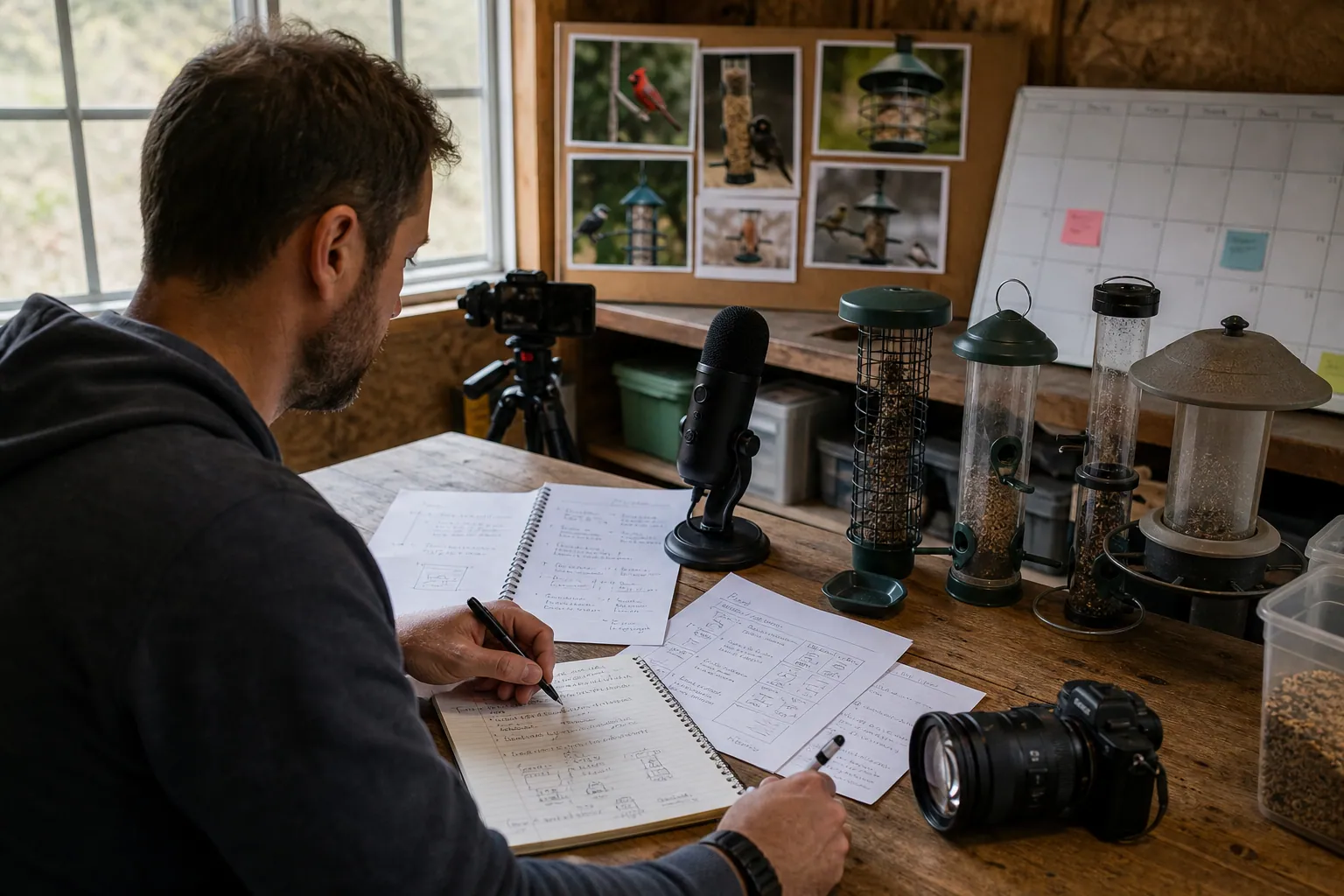
Strategy Memo: Pinterest SEO for Squirrel-Proof Bird Feeder Shops
A focused Pinterest SEO plan for bird feeder retailers: choose problem-solving content over generic bird inspiration, define useful metrics, and launch in 30 days.
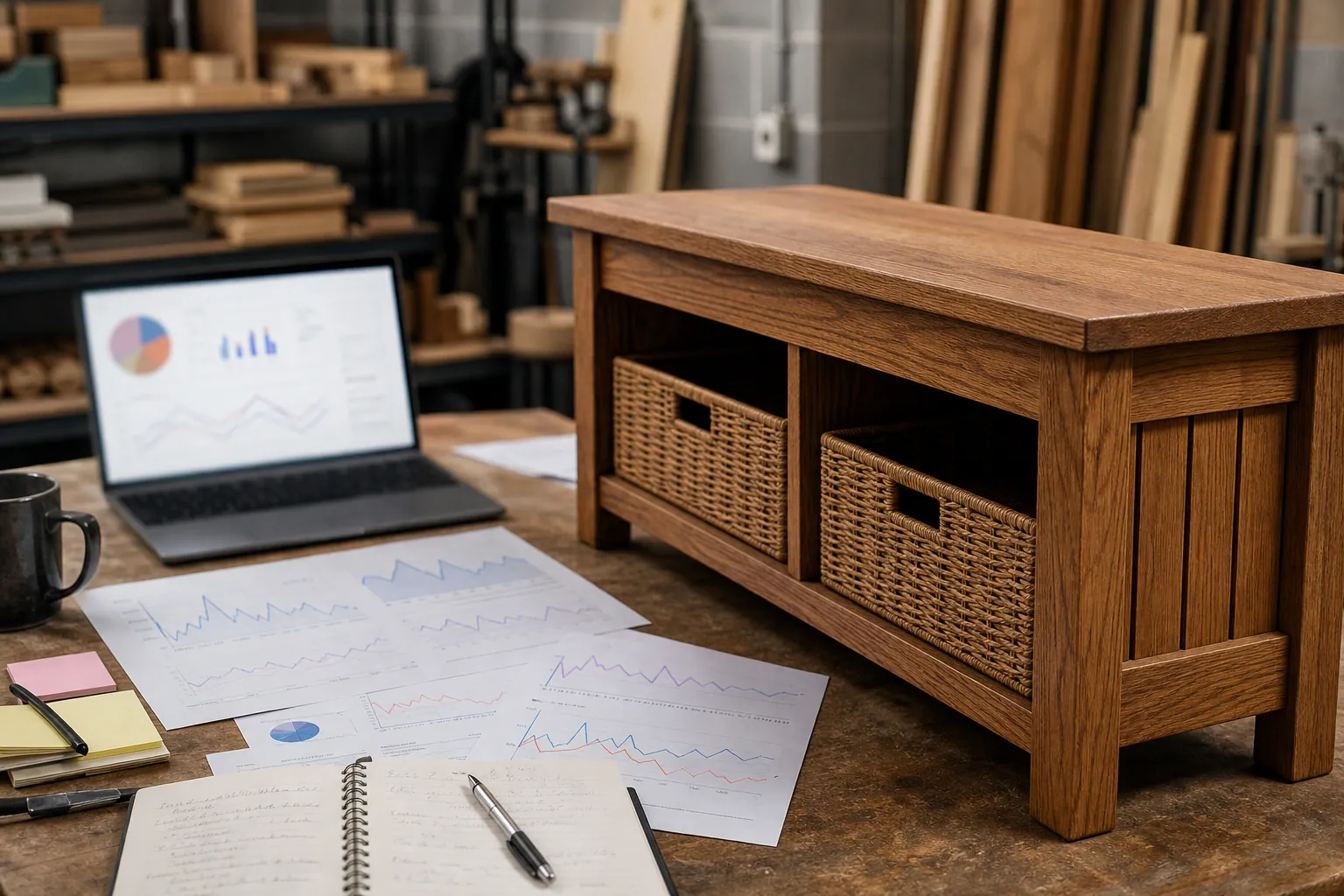
Project Posts vs Plan Pages: What a Woodworking Plan Shop Should Link From Pinterest
Compare five Pinterest destinations for PDF woodworking plans—from direct product pages to cut lists—and choose the route that fits each searcher's build decision.

The Stitch-Guide Pinterest SEO Desk for Needlepoint Canvas Shops
Turn hard-to-search canvas names into Pinterest discovery assets with a weekly routine built around stitch questions, finishing decisions, and project-ready collections.
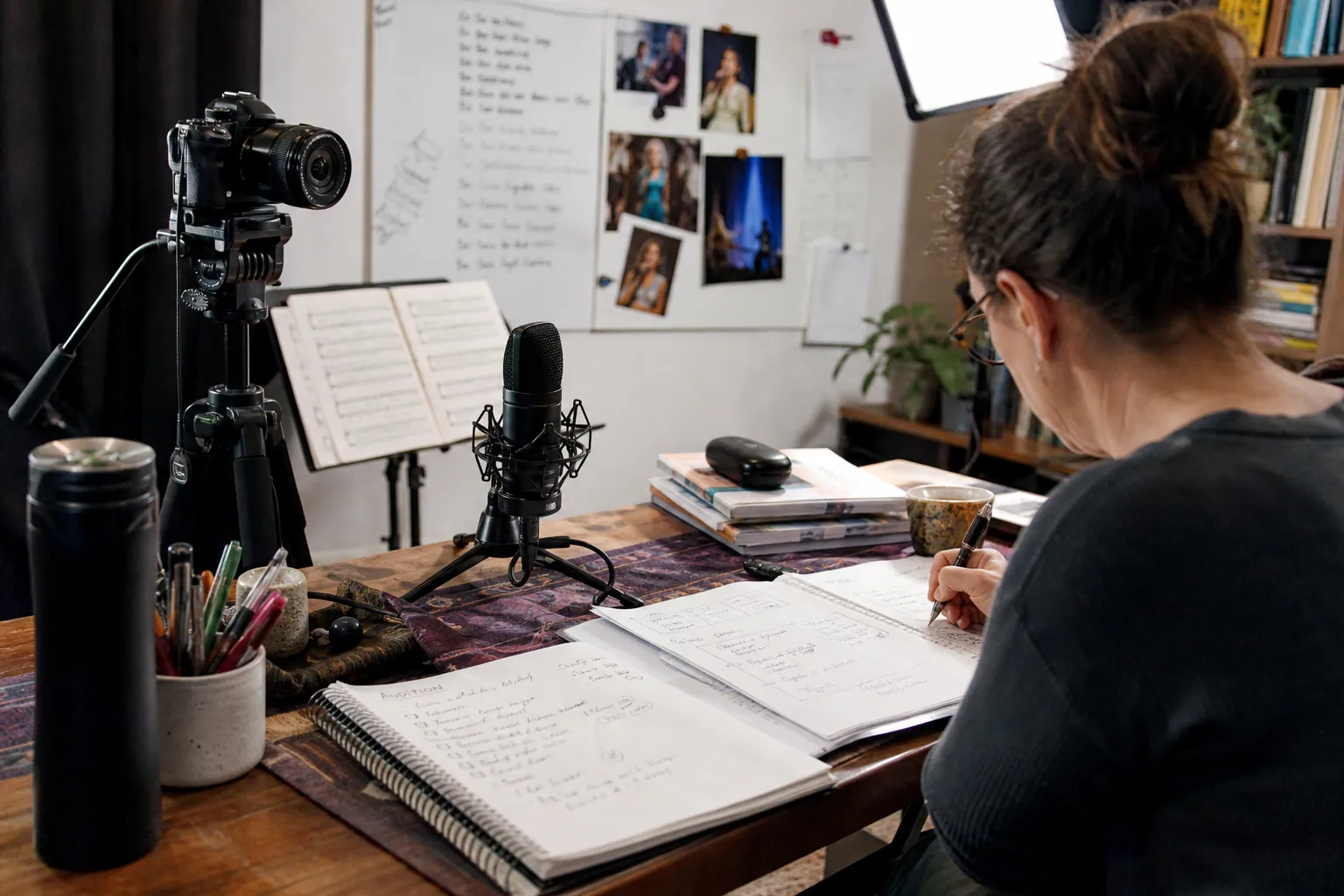
The Audition-Season Pinterest Tool Audit for Online Voice Teachers
A lean Pinterest tool audit for voice teachers who want audition-planning searches to become better coaching inquiries, mini-course sales, and booked lessons.

The AI Project-Question Pinterest Desk for Mineral Paint Brands
A practical AI-assisted Pinterest routine for mineral paint sellers turning verified product facts, customer questions, and project intent into catalog traffic.

The Holiday-Bake Pinterest Content Line for Silicone Bakeware Shops
A copyable Pinterest operating rhythm for silicone bakeware brands turning product facts, recipes, and holiday baking questions into durable catalog traffic.