Case Study: How a Pasta Workshop Studio Turned Recipe Saves Into Holiday Group Bookings
A composite Pinterest teardown for pasta workshop studios that need recipe inspiration to become date-night seats, gift sales, and corporate holiday bookings.

A full pasta-making class can look perfect on Pinterest: floury hands, ribbons of tagliatelle, a long communal table, candlelight. That beauty can earn saves all day—and still fail to fill a Thursday class or generate a single corporate inquiry.
This composite case study follows a small urban pasta workshop studio heading into November. Its real constraint was not awareness. It was selling the right seats before holiday calendars filled: date-night tickets, private celebrations, and company team-building cooking classes.
The studio had a visually strong account and a workable class calendar. What it lacked was a clear path from a Pin to a booking decision.
Note: This is a composite based on common operator patterns, with rounded directional results. Use the measurements and decisions as a test model, not as a guaranteed benchmark.
The baseline: attractive Pins, ambiguous demand
The studio's Pinterest account leaned heavily on three assets:
- finished pasta dishes photographed overhead;
- short recipe graphics such as “5 sauces for fresh pasta”; and
- broad inspiration boards for Italian dinner parties.
These Pins accumulated saves, especially from home cooks. But the booking page told a different story. Many visitors landed on a generic calendar, saw several class types and dates, then left.
The operator initially read saves as proof that the account was working. A closer review showed a mismatch.
| Signal | What it appeared to mean | What it actually revealed |
|---|---|---|
| High saves on ravioli photos | Strong class interest | People wanted recipe inspiration, not necessarily an in-person class |
| Clicks to the all-classes calendar | Booking intent | Visitors still needed to identify the right occasion, location, date, and group format |
| Few private-event forms | Weak corporate demand | The studio had barely made corporate cooking classes discoverable |
| Last-minute date-night bookings | Good organic demand | The calendar did the selling only after people already knew what to look for |
The useful question became: What job is the Pinterest visitor trying to complete before they ever see a class date?
For this studio, it was rarely “find a pasta photo.” It was more often one of four decisions:
- Find a date night that does not require planning dinner.
- Find a gift certificate that feels more personal than another physical gift.
- Plan a birthday, shower, or friends’ night out.
- Find a team activity for a December work gathering.
The pivot: sell the occasion before the class format
Rather than making more Pins for “pasta class,” the studio built Pinterest content around the booking context. The class itself stayed the product; the framing changed.
Decision one: Split one vague offer into four searchable routes
The operator created four landing pages, each with a distinct promise, gallery, FAQ, and call to action:
- Date night pasta classes — upcoming public sessions, what couples make, dietary accommodations, and a clear “book two seats” button.
- Private pasta parties — minimum group size, lead time, sample menus, deposit expectations, and an inquiry form.
- Corporate cooking classes — capacity, weekday options, dietary planning, receipts, and a short event inquiry form.
- Cooking class gift certificates — denomination choices, digital delivery details, redemption rules, and holiday cutoff dates.
This was not a duplication exercise. Each page answered a different hesitation.
For example, a corporate visitor does not need a romantic photo first. They need to know whether 14 colleagues can attend on a Wednesday, whether vegetarian guests can participate, and whether the organizer can get an invoice. A date-night visitor, by contrast, wants to know the evening’s timing, whether beginners are welcome, and what happens after the class.
Decision two: Replace recipe-forward Pin concepts with decision-forward ones
The studio kept pasta imagery, but the image had to support a booking decision. It used text overlays to make the purpose unmistakable.
| Pinterest search context | Pin title example | Destination |
|---|---|---|
| Date night cooking classes | “A Hands-On Pasta Date Night for Beginners” | Date-night class page |
| Holiday cooking classes | “Give a Pasta-Making Class Instead of Another Gift” | Gift certificate page |
| Corporate cooking classes | “A Holiday Team Event Your Group Can Actually Do Together” | Corporate event page |
| Private cooking class marketing | “How to Plan a Private Pasta Party for 10–16 Guests” | Private party page |
| Pasta-making curiosity | “What Happens in a Beginner Pasta Workshop?” | Evergreen class explainer |
Descriptions added practical qualifiers rather than generic adjectives: neighborhood, duration, skill level, group range, booking lead time, and whether dates were available. This helped the studio’s Pinterest pin titles match the promise on the page.
The operator deliberately did not promise that every Pin should sell immediately. The class explainer served earlier planners; it included a path to public dates, private groups, and gifts after it answered the basic question.
Decision three: Make the calendar useful without making every Pin expire
The original account pinned individual dates. That created a maintenance problem: a Pin could keep circulating after a class sold out.
The replacement approach separated durable content from changing availability:
- Occasion Pins linked to evergreen landing pages.
- Landing pages displayed current dates or an inquiry form.
- A small number of availability Pins were used only for near-term sessions and removed from promotion once full.
- Every date-sensitive Pin included the month and year in the graphic.
The team stored the source photo, booking route, headline, destination URL, UTM, and retirement date in one content calendar. A light publishing queue such as PinPinMe can help keep those Pin details, scheduled dates, and expired offers visible without treating a live class calendar as static content.
What one class produced after the rebuild
The studio did not stage a separate shoot for every Pinterest asset. It changed the way it documented each live class.
At one Friday date-night session, a staff member captured:
- dough being rolled at the machine;
- two guests plating a shared dish;
- a wide shot showing class scale;
- a close-up of the ingredient station;
- a clean photo of the gift certificate at check-in; and
- one short staff explanation of what first-timers make.
That material supported a month of Pins without repeating the same message:
- “What beginners make in a pasta class”
- “A winter date night that includes dinner”
- “Gift a cooking class for couples who have everything”
- “Private pasta parties: what a group booking includes”
- “Can a work team take a cooking class together?”
- “How long does a pasta-making class last?”
The lesson is not to flood Pinterest with near-identical designs. It is to extract several real decisions from one honest event. A single classroom photo should not pretend to answer every search.
The six-week read: fewer vanity signals, better inquiries
The operator added UTMs that identified the Pin route rather than only the network. For example:
utm_content=date_night_beginnerutm_content=holiday_gift_certificateutm_content=corporate_team_eventutm_content=private_party_10_guests
The inquiry form then asked two small qualifying questions: preferred month and estimated guest count. Those fields made the traffic review far more useful than outbound clicks alone.
Over a six-week holiday test, the directional change looked like this:
| Measure | Before the rebuild | After the rebuild | Operator interpretation |
|---|---|---|---|
| Saves per 1,000 impressions | Higher | Lower | Recipe-style Pins had driven many low-commercial saves |
| Outbound click-through rate | 0.6% | 1.0% | Clearer occasion language earned more purposeful clicks |
| Private/corporate inquiry rate per 100 visits | 0.4 | 1.5 | Visitors reached pages built for their group decision |
| Public-class booking starts | Flat | Up | Date-night pages reduced calendar scanning |
| Gift-certificate page visits | Minimal | Meaningful holiday share | Gift Pins reached a distinct buyer, not just prospective attendees |
The studio did not claim Pinterest caused every booking. A six-week period includes seasonality, email reminders, local event demand, and repeat customers. But the quality trend was strong enough to guide the next round of production: make more group-planning and gift content, not more generic recipe graphics.
The pins that still underperformed
A useful teardown includes the dead ends.
Beautiful final-dish Pins
These continued to earn reach and saves, but visitors rarely clicked through to book. The studio kept a few for visual range and board relevance, but stopped treating them as its conversion engine.
Pins linking directly to a crowded calendar
A calendar works for a returning customer who knows what they want. It is a poor first destination for someone searching “corporate holiday cooking class” or “pasta date night.” The visitor had to do too much sorting.
Broad “Italian dinner party ideas” content
This angle brought traffic from people planning meals at home. It was not worthless, but it belonged on a recipe or entertaining page with a soft invitation to explore classes—not on a private event booking route.
Corporate Pins with no operational proof
The first corporate designs said “team building,” but the landing page did not state group size, timing, dietary handling, or booking lead time. Once those details were prominent, inquiry quality improved. Pinterest content cannot compensate for missing buying information.
Four lessons a cooking school can borrow
1. Treat each class format as a separate purchase decision
“Cooking class” is not one intent. Public seats, private parties, corporate events, and gift certificates need distinct Pin language and Pinterest landing pages.
2. Let the page do the second half of the selling
A Pin can earn the click, but the landing page must resolve practical questions: location, capacity, duration, price range or inquiry process, dietary accommodations, and availability.
3. Measure qualified booking actions, not just Pinterest reach
For a class studio, track at least:
- outbound clicks by occasion;
- booking starts by UTM;
- inquiry forms with a viable group size and date;
- gift-certificate revenue;
- confirmed bookings and revenue; and
- time from first Pinterest visit to purchase.
Pinterest attribution is often delayed. Someone may save a holiday activity in early November and book after checking coworkers’ availability two weeks later.
4. Build around facts that remain true
The most durable Pins covered beginner readiness, class format, typical duration, party planning, and gifting. Dates and menus changed on the landing page. That balance reduced stale content while preserving urgency where it mattered.
The operator’s next move
For the next 30 days, this pasta studio would publish only eight new decision-led Pins: two date-night, two gift, two private-party, and two corporate. Each would have a different visual, a matching destination, and a UTM that identifies the promise.
At the weekly review, the operator would ask one question: Which occasion is producing inquiries the studio can actually serve profitably this month?
That question is more useful than “Which Pin got the most saves?” It turns Pinterest marketing for cooking classes from a gallery of appetizing images into a dependable source of bookable demand.
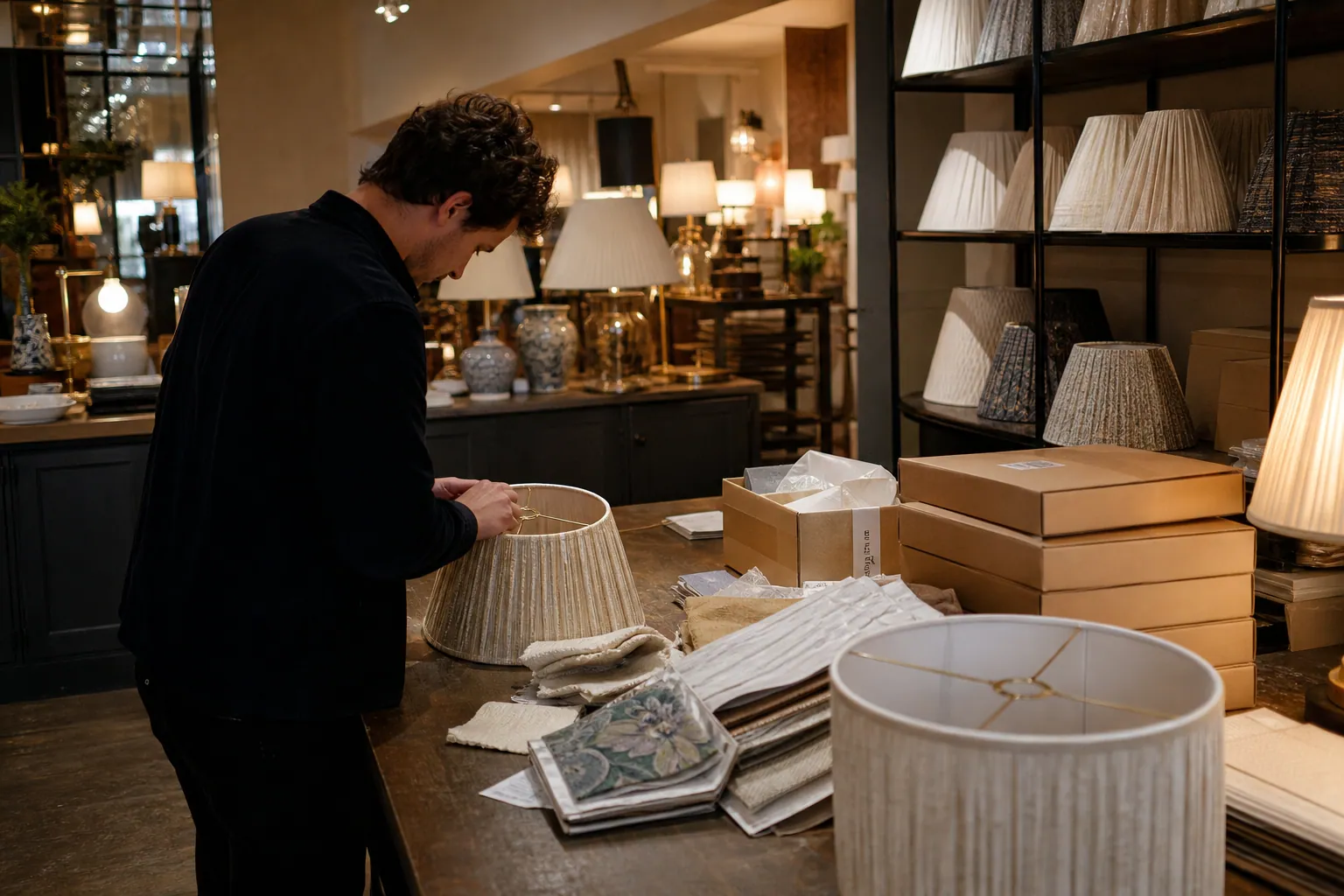
Case Study: How a Custom Lampshade Studio Turned Room Saves Into Swatch Kit Orders
A composite Pinterest teardown of a made-to-order lampshade studio that replaced generic room inspiration with sizing and fabric decisions that led to more swatch-kit orders.
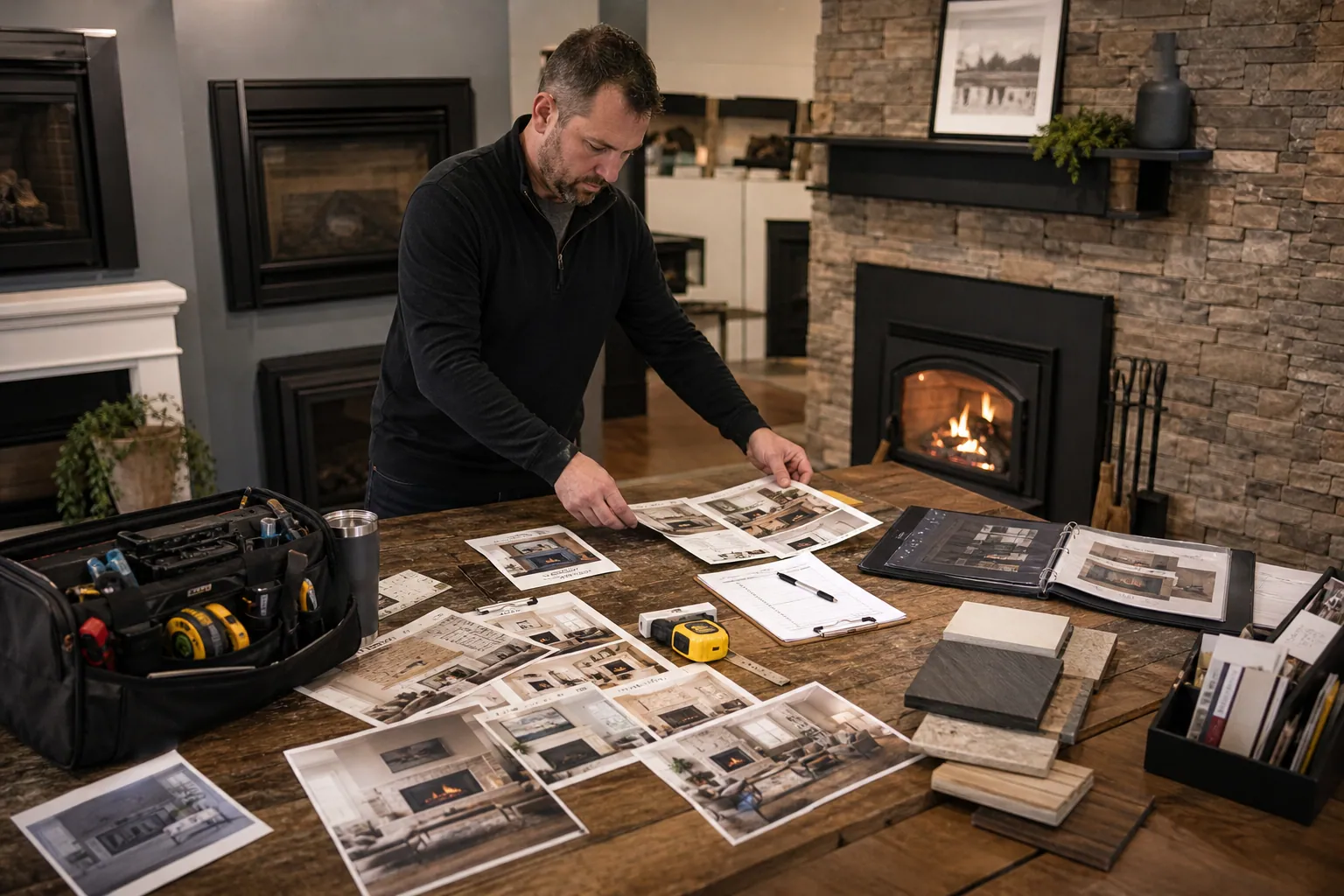
Case Study: How a Fireplace Insert Showroom Turned Room Saves Into Measure Requests
A composite operator breakdown for fireplace insert dealers: replace room-only Pinterest Pins with planning content that earns safer, local, measure-ready inquiries.

Case Study: How a Home Climbing Hold Shop Turned Pinterest Wall Ideas Into Starter-Set Orders
A composite operator teardown for climbing hold retailers: turn Pinterest inspiration saves into safer, better-qualified starter-set traffic with planning content and catalog routes.
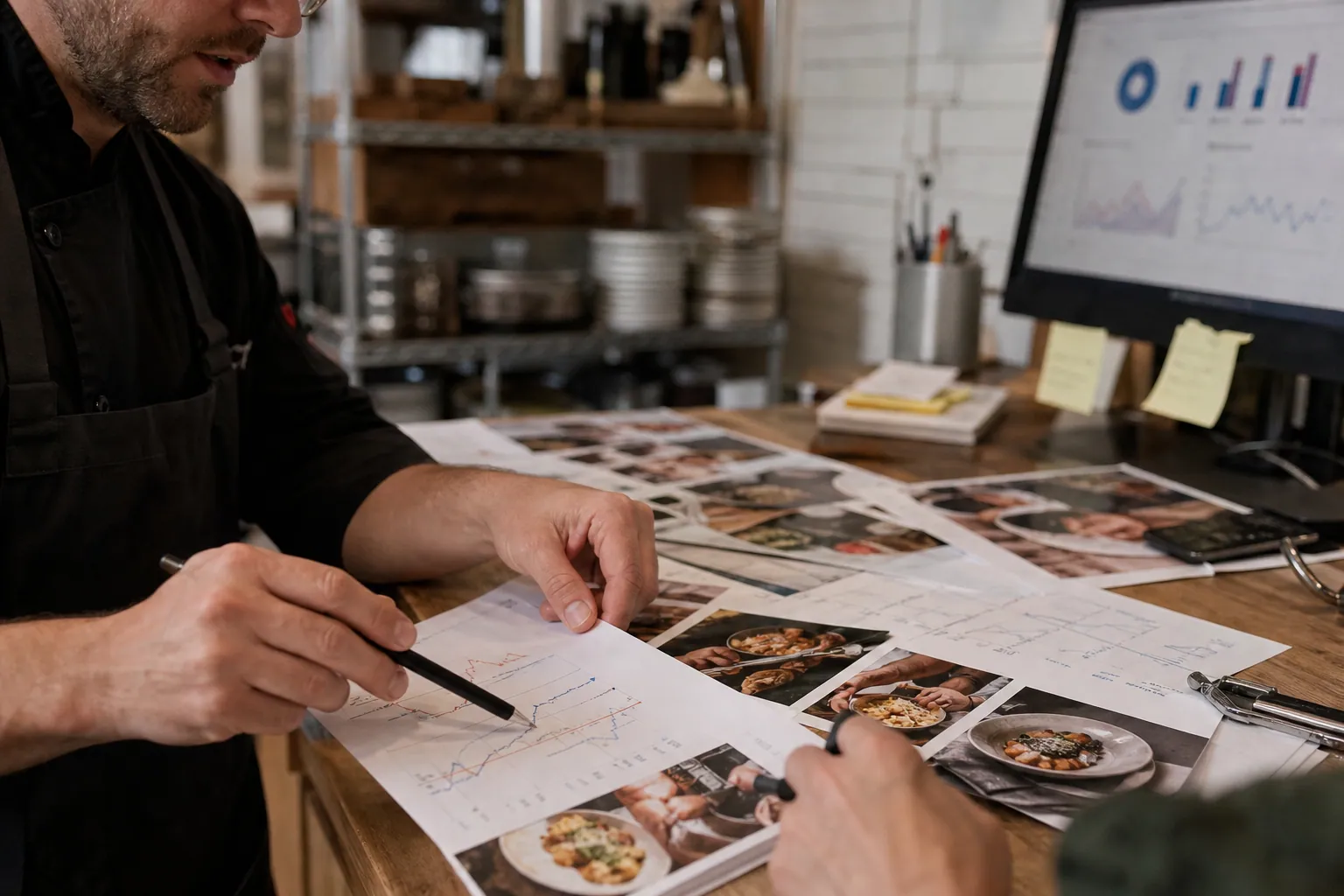
The AI Class-Calendar Pinterest Desk for Cooking Schools
A practical AI-assisted Pinterest routine for cooking class studios that need seasonal Pins to fill real seats without publishing stale dates, menus, or availability.
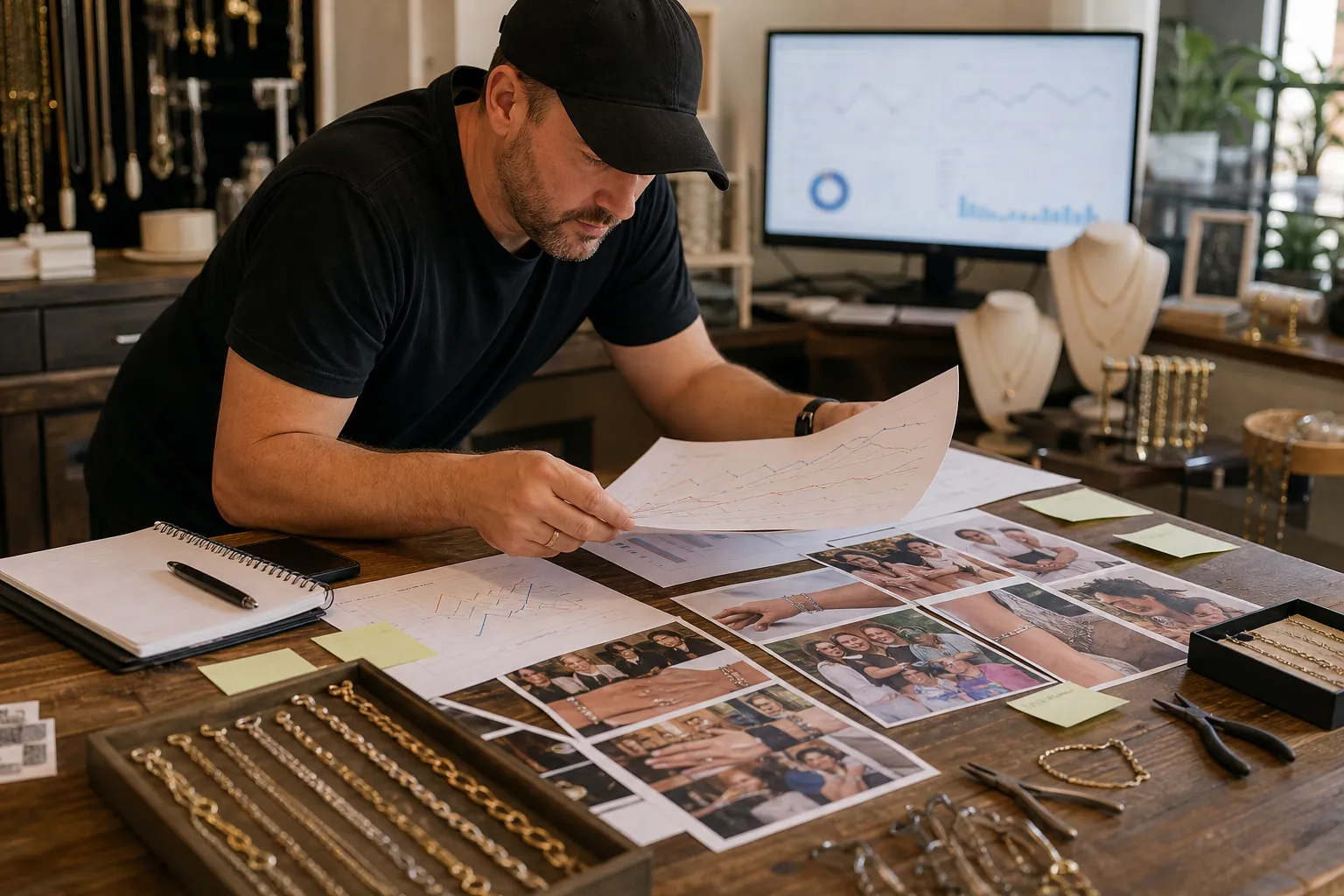
Case Study: How a Permanent Jewelry Studio Found the Pinterest Pins That Booked Private Parties
A composite teardown of a permanent jewelry studio that separated pop-up traffic from party leads and used booking-quality data to choose which Pinterest Pins to scale.
Case Study: How a Home Energy Audit Company Turned “Cold Room” Pins Into Booked Assessments
A composite Pinterest teardown for home energy auditors who need draft and comfort searches to become local, serviceable assessment requests—not generic eco-home saves.