Strategy Memo: AI-Assisted Pinterest for Event Rental Inventory
A practical memo for boutique event rental operators using AI to turn galleries, inventory, and FAQs into search-ready Pinterest traffic.
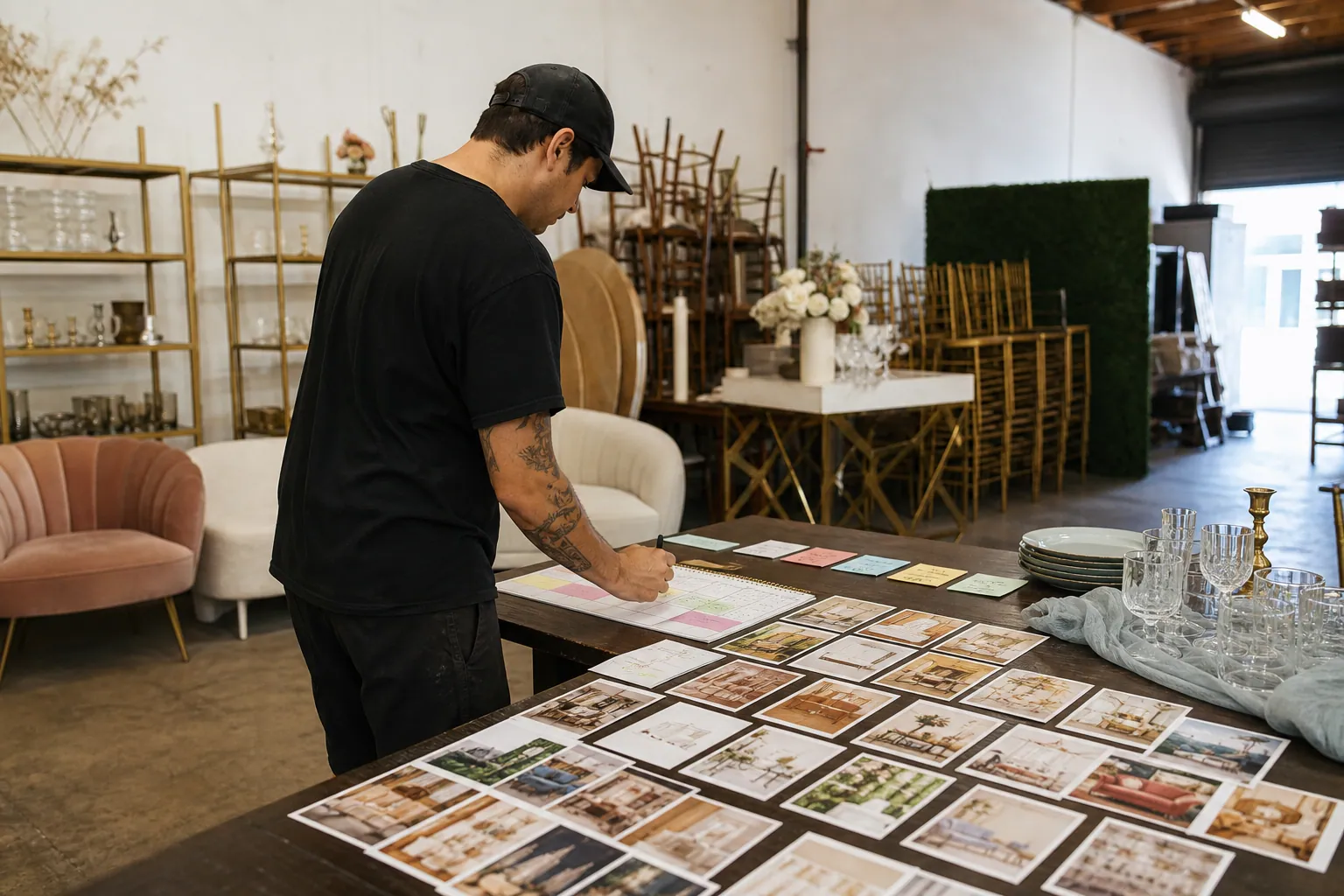
Strategic thesis: For boutique event rental companies, AI should not invent more content. Its best use is turning proven materials you already have — inventory lists, install photos, inquiry questions, seasonal packages, and delivery-area details — into search-matched Pinterest assets that help planners make rental decisions.
If you rent velvet lounges, champagne walls, farm tables, kids’ party backdrops, specialty linens, bars, tableware, or ceremony pieces, your Pinterest problem is rarely a lack of visuals. It is that your visuals are not organized around how people search.
A planner does not usually search for SKU L-184. They search for phrases like:
- garden party lounge seating ideas
- modern baby shower backdrop
- cocktail hour furniture layout
- backyard wedding bar setup
- corporate holiday party rentals
- rattan chair baby shower decor
AI can bridge that gap, but only if an operator gives it boundaries. The goal is not 200 generic pins with captions like ‘make your event unforgettable.’ The goal is a repeatable way to connect real inventory to real planning searches, then send that traffic to useful Pinterest landing pages that can turn into qualified inquiries.
Decision context: the operator’s real constraint
A boutique event rental company usually has three pressures at once:
- The catalog changes often.
- The owner or coordinator is busy answering inquiries, managing deliveries, and updating proposals.
- The best photos are scattered across galleries, Instagram posts, vendor albums, and phone folders.
Pinterest rewards organized, evergreen discovery. Event rentals are often run in a very seasonal, reactive way.
That mismatch is where AI can help.
Not by replacing taste. Not by replacing local market knowledge. And definitely not by publishing unapproved copy about unavailable inventory.
AI is useful when it does the sorting, clustering, drafting, and tagging so a human can approve faster.
The four options on the table
Here is the practical comparison for a rental operator deciding how to use AI for Pinterest this month.
| Option | What it looks like | Upside | Risk | Best fit |
|---|---|---|---|---|
| Manual catalog pinning | Create pins one item at a time from product pages | High control | Slow, SKU-focused, easy to abandon | Tiny catalog with premium pieces |
| Fully automated AI pin generation | Feed AI a spreadsheet and auto-create titles, descriptions, and images | Fast volume | Generic copy, weak Pinterest SEO, possible inventory errors | Rarely recommended |
| Gallery-first inspiration pages | Build pages around events, themes, venues, or occasions | Stronger search intent | Requires page setup and photo organization | Visual rental brands with many installs |
| Guided AI question bank | Use AI to turn FAQs, inquiries, and inventory into search pockets and pin briefs | Balanced speed and quality | Needs approval and a clean input file | Most boutique rental teams |
My recommendation: use the guided AI question bank.
It keeps the operator in control of what gets published, while letting AI handle the labor-heavy middle: grouping ideas, drafting pin titles, matching visuals to search intent, and producing UTM-ready publishing batches.
Why the question bank beats the catalog dump
A catalog dump starts with products:
- gold chiavari chair
- blush velvet sofa
- acrylic bar
- white bounce house
- cane peacock chair
A question bank starts with planning moments:
- What seating do I need for cocktail hour?
- How do I decorate a backyard baby shower?
- What rental pieces make a corporate party feel less plain?
- What should go behind the dessert table?
- How do I style a small ceremony space?
Pinterest search behavior lives closer to the second list.
Your inventory still matters. It just needs to be translated into the language of planners, hosts, couples, and vendor partners.
A simple example
Imagine your rental company has these items:
- rattan peacock chair
- ivory loveseat
- low woven coffee table
- sage green goblets
- white scalloped bar
- beige market umbrellas
A weak AI output would be:
- Elegant event rentals for your next celebration
- Beautiful furniture rentals near you
- Party rentals to make your event special
Those are vague, hard to rank, and not useful.
A better AI-assisted output would be:
| Search pocket | Pin angle | Destination |
|---|---|---|
| backyard baby shower decor | 5 rental pieces for a soft neutral baby shower lounge | Baby shower rentals page |
| cocktail hour lounge ideas | How to style a rattan lounge area for cocktail hour | Lounge furniture collection |
| outdoor party bar setup | White scalloped bar ideas for backyard celebrations | Bar rental page |
| garden party table decor | Sage goblets and neutral furniture for garden parties | Garden party inspiration page |
That is the shift: from item-first pinning to decision-first discovery.
Tradeoffs to make deliberately
AI makes it easy to move faster than your strategy. These are the tradeoffs worth discussing before you create the first batch.
1. Volume versus specificity
More pins are not automatically better.
For event rentals, 20 specific pins that match real planning searches often beat 100 broad pins with pretty images and empty copy.
A specific pin might say:
- Small backyard wedding lounge layout with neutral rental furniture
- Baby shower backdrop ideas using a peacock chair and balloon garland
- Corporate cocktail hour seating ideas for a rooftop event
A broad pin says:
- Stunning rentals for any occasion
The specific pin gives Pinterest more context and gives the planner a reason to click.
2. Inspiration versus availability
Pinterest content can keep circulating long after a piece is booked, discontinued, damaged, or replaced.
Avoid pinning every item to a page that only works if that exact item is available. Instead, build destination pages that can survive catalog changes:
- Neutral lounge furniture rentals
- Baby shower chair and backdrop rentals
- Outdoor bar and beverage station rentals
- Modern corporate event furniture
- Garden party tableware and decor
This protects your organic Pinterest traffic from dead ends.
If one sofa is unavailable, the page can still show similar pieces, styling notes, and an inquiry path.
3. Broad searches versus local qualification
Pinterest is not only local search, but local Pinterest SEO matters for rental businesses.
A pin for ‘backyard wedding lounge ideas’ can reach a broad audience. A pin for ‘Austin backyard wedding lounge rentals’ will reach fewer people, but the clicks may be more qualified.
You usually need both:
- Broad inspiration pins to build reach and saves
- Local or regional pins to qualify leads
- Destination pages that state delivery areas clearly
Do not hide your service area at the bottom of the site. If you deliver within 50 miles of Nashville, say it on the page the pin links to.
4. AI speed versus brand safety
AI should never receive private client details, full contracts, venue restrictions, addresses, or unapproved gallery files.
Use sanitized source notes.
Good input:
- Spring baby shower at a private home in North Dallas
- Neutral rattan lounge, scalloped bar, pastel tableware
- Client wanted soft colors and shade options
- Delivery area: Dallas, Plano, Frisco, McKinney
Bad input:
- Client names, addresses, invoice totals, private family details, or photographer files you do not have permission to reuse
Also watch for invented claims. AI may confidently say you offer delivery to cities you do not serve, or that a piece seats 8 people when it seats 4.
Every AI-generated pin title, description, and page note needs a human check.
5. Scheduling convenience versus publishing control
Scheduling is useful only after approval.
A clean sequence is:
- AI drafts pin briefs.
- A human approves titles, descriptions, boards, URLs, and inventory references.
- Visuals are created or selected.
- UTMs are added.
- Pins are scheduled.
A Pinterest-focused scheduler such as PinPinMe can sit at the end of that chain, helping you keep the approved queue moving without turning unreviewed AI drafts into public content.
The AI question bank: what to feed it
Do not start with a blank prompt. Start with business facts.
Create one private document or spreadsheet with these columns:
| Input | Example |
|---|---|
| Rental category | Lounge furniture, bars, kids’ party decor, tableware |
| Item details | Color, material, dimensions, capacity, style |
| Event types | Weddings, baby showers, corporate events, birthdays, bridal showers |
| Service area | Cities, regions, venue types, delivery limits |
| Seasonal moments | Graduation, summer garden parties, Q4 holiday events |
| Common questions | What fits in a backyard? What works for photos? What is kid-friendly? |
| Existing pages | Product pages, collection pages, gallery posts, inquiry page |
| Photo folders | Approved galleries only, labeled by event type or inventory category |
Then ask AI to cluster the material into search pockets before it writes any pin copy.
Prompt 1: find search pockets
Use this as a starting point:
Act as a Pinterest SEO editor for a boutique event rental company. Using the inventory, service area, event types, and customer questions below, create 12 Pinterest search pockets. Each pocket should include likely search phrases, planner intent, matching inventory categories, and the best destination page type. Avoid generic luxury language. Prioritize phrases a real host, planner, or couple might search before submitting an inquiry.
The output should help you decide what pages and pins to create, not just produce captions.
Prompt 2: turn one pocket into pin briefs
Once you choose a pocket, use a tighter prompt:
Create 8 Pinterest pin briefs for the search pocket ‘backyard baby shower decor.’ For each brief, include a pin title under 90 characters, a natural description under 450 characters, suggested board, visual direction, destination page, and UTM content label. Use only the approved inventory and service areas listed. Do not mention items that are not in the source notes.
Ask for briefs, not finished posts. Briefs are easier to review and edit.
Destination pages: the part AI cannot fake
Pinterest can send attention. Your site has to convert it.
For rental companies, the weakest destination is often a single item page with a pretty photo and no context. Better pages answer the planner’s next question.
A useful Pinterest landing page for event rentals should include:
- A clear occasion or category headline
- Photos of the rental pieces in real settings
- What the pieces work well for
- Delivery area and minimums
- Similar or complementary inventory
- A short planning note or layout tip
- A visible inquiry button
- Event date, location, and rental category fields in the form
Example page titles:
- Neutral Baby Shower Rentals in Dallas
- Outdoor Lounge Furniture for Backyard Weddings
- Corporate Cocktail Hour Furniture Rentals
- Modern Dessert Table Backdrops for Bridal Showers
- Garden Party Tableware and Bar Rentals
AI can draft outlines for these pages, but the operator should provide the facts, pricing notes, delivery limits, and real photos.
Metrics: what to watch before declaring success or failure
Pinterest is not a same-day lead machine for most rental brands. Measure it in layers.
Production metrics
These show whether your AI-assisted process is actually usable:
- Approved pin briefs per week
- Percentage of pins mapped to a real destination page
- Percentage of pins using Pinterest UTMs
- Number of search pockets covered
- AI rejection rate due to vague, wrong, or off-brand copy
If AI generates 80 briefs and you approve 6, the prompt or source file needs work.
Pinterest metrics
Review by search pocket, not only by individual pin:
- Impressions
- Saves
- Outbound clicks
- Outbound click rate
- Top boards by engagement
- Top pin formats or visual treatments
Saves matter for inspiration-heavy event planning, but do not celebrate saves alone. A pin saved by someone outside your delivery area may still support reach, but it does not equal a lead.
Site and inquiry metrics
Use UTMs so you can separate organic Pinterest traffic from other channels.
A clean UTM content label might look like:
utm_source=pinterest&utm_medium=organic&utm_campaign=baby_shower_rentals&utm_content=rattan_lounge_pin_01
Track:
- Pinterest sessions by destination page
- Inquiry form starts
- Inquiry form completions
- Event type selected
- Event location or ZIP code
- Event date
- Requested rental category
- Proposal sent
- Booking value
Quality metrics
For a local rental business, quality beats raw traffic.
Add a simple field in your inquiry review:
| Lead quality | Definition |
|---|---|
| Qualified | In service area, event date open, budget or minimum likely fits |
| Maybe | In area, but unclear scope or budget |
| Unqualified | Outside service area, unavailable date, wrong rental type |
After 30 to 60 days, compare search pockets by qualified inquiries, not just clicks.
30-day action plan
This plan is designed for a small team: owner, coordinator, or part-time marketing assistant.
Days 1-3: choose two commercial search pockets
Do not cover the whole catalog.
Pick two pockets that have both search demand and business value. For example:
- Baby shower chair and backdrop rentals
- Backyard wedding lounge furniture
- Corporate holiday party bar rentals
- Garden party tableware rentals
- Kids’ birthday party soft play and bounce house decor
For each pocket, write:
- The buyer moment
- The event type
- The matching inventory
- The delivery area
- The best destination page
- The inquiry action you want
If a pocket cannot point to a page, either build the page or choose another pocket.
Days 4-7: prepare a clean AI source file
Gather only approved material:
- Inventory names and descriptions
- Accurate dimensions or capacities
- Delivery areas
- Photo folders you can legally use
- Existing page URLs
- Common inquiry questions
- Seasonal notes
Remove private client details.
Then ask AI to create search pockets and pin brief ideas. Do not ask it to publish. Your job this week is to build the approved source.
Days 8-12: create or improve the destination pages
For each of your two search pockets, create one strong page or improve an existing page.
Minimum page checklist:
- Search-aligned title
- 6-12 relevant photos
- Short planning guidance
- Inventory examples
- Delivery area
- Event types served
- Inquiry button above the fold and near the bottom
- Form fields for event date, location, and rental interest
This is where many Pinterest efforts fail. Pins create curiosity; landing pages create confidence.
Days 13-17: generate and review 24 pin briefs
Ask AI for 12 pin briefs per search pocket.
Review each brief for:
- Search clarity
- Accurate inventory references
- Local relevance where appropriate
- No fake availability claims
- No client-specific details
- A useful visual direction
- A specific destination URL
Reject vague titles. Rewrite anything that sounds like a luxury brochure.
Good titles sound like planning help:
- 7 Neutral Lounge Rental Ideas for a Backyard Wedding
- Baby Shower Peacock Chair Setup With Soft Neutral Decor
- White Bar Rental Ideas for Outdoor Cocktail Hour
- Small Patio Party Layout With Lounge Furniture Rentals
Days 18-22: create the visuals
Use real photos whenever possible.
For each pin, decide whether the visual should be:
- A single strong install photo
- A simple collage of 2-4 rental pieces
- A before-and-after layout concept
- A detail shot with text overlay
- A category board style graphic
Text overlays should be specific and readable:
- Backyard Baby Shower Lounge Ideas
- Outdoor Cocktail Hour Furniture Layout
- Neutral Rentals for a Garden Party
- White Bar Setup for a Bridal Shower
Avoid cramming product names into the image. The visual should stop the scroll; the title and description can carry more SEO context.
Days 23-26: schedule the approved batch
Publish steadily instead of dumping everything in one afternoon.
For a boutique rental company, a practical first month is:
- 12-16 fresh pins per week
- 2 search pockets
- 3-5 relevant boards
- Every pin tagged with UTMs
- Every pin pointing to a useful page, not just the home page
Boards can be simple:
- Backyard Wedding Rental Ideas
- Baby Shower Decor Rentals
- Outdoor Party Furniture
- Corporate Event Lounge Ideas
- Garden Party Tablescape Ideas
Keep board names clear. Pinterest board strategy works best when the board topic reinforces the pin topic.
Days 27-30: review early signals and choose the next pocket
Do not overreact to one pin after three days.
Look for early patterns:
- Which pocket got impressions first?
- Which titles earned saves?
- Which visuals earned outbound clicks?
- Did local pins get fewer clicks but better inquiry quality?
- Did any page have traffic but no form starts?
Then make one decision:
- Create more pins in the stronger pocket
- Improve the destination page with weak conversion
- Add a local variation of a broad topic
- Build a new page for a promising search pocket
- Pause a vague angle that attracted low-quality traffic
The memo’s bottom line
AI is most valuable for event rental Pinterest when it acts like an organizing assistant, not a creative director.
Let it sort messy inputs, identify Pinterest keyword research opportunities, draft pin briefs, suggest boards, and label UTMs. Keep the human decisions where they belong: taste, inventory truth, local fit, client privacy, and conversion priorities.
If you start with two search pockets, two useful landing pages, and one approved publishing batch, you will learn more in 30 days than you would from a giant AI-generated catalog dump.
The operator’s question is not, ‘Can we make more pins?’
It is, ‘Can we make the right planning moments easier to find?’

Strategy Memo: AI Pinterest Triage for Vintage Furniture Sellers
A 30-day plan for vintage furniture sellers using AI to turn fast-moving, one-of-a-kind inventory into accurate Pinterest discovery without leaving shoppers on sold-out listings.
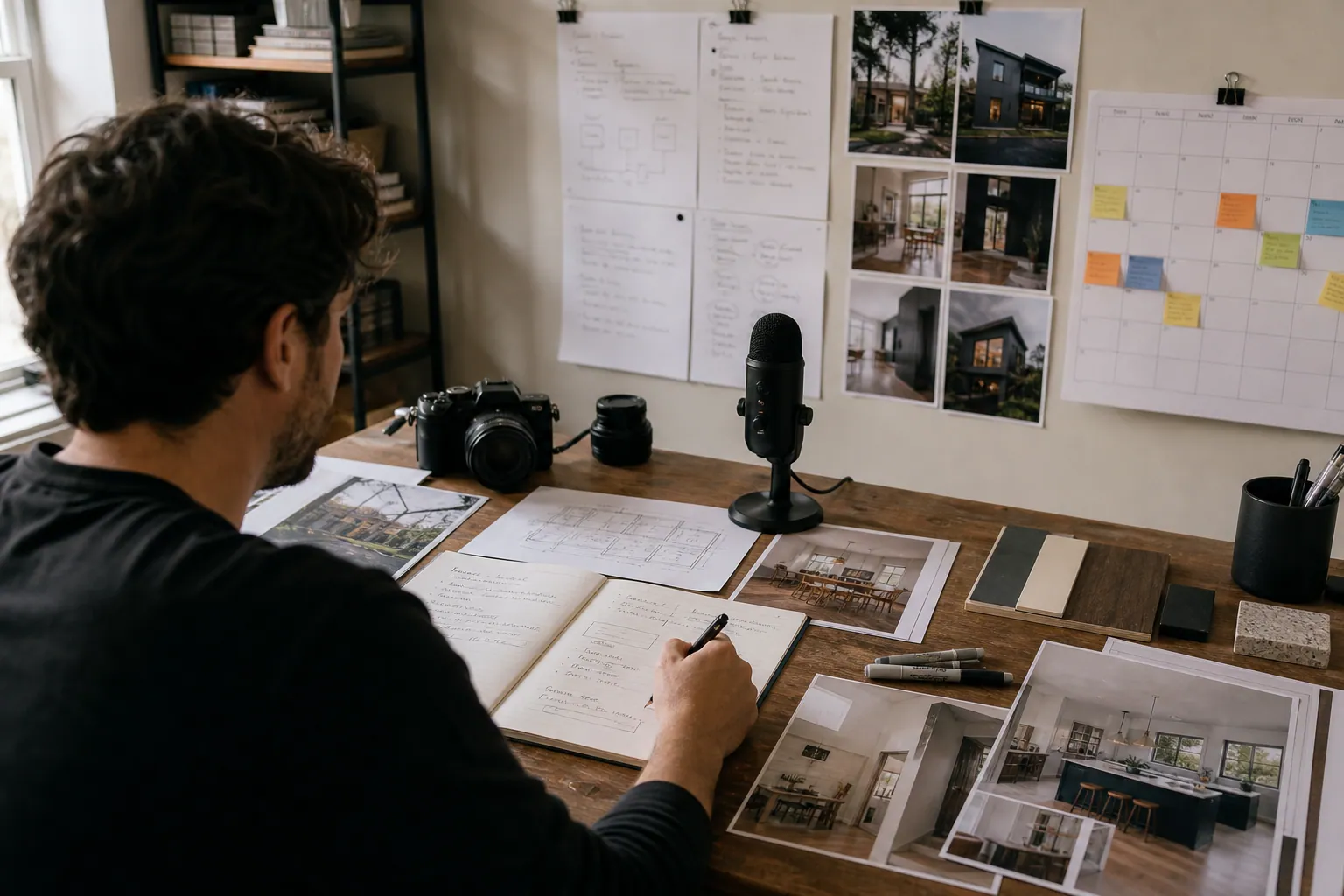
AI Pinterest Content for Residential Architects: 5 Approaches Compared
Compare five ways residential architecture studios can use AI for Pinterest—without inventing project details, publishing stale plans, or attracting the wrong inquiries.

The AI Project-Question Pinterest Desk for Mineral Paint Brands
A practical AI-assisted Pinterest routine for mineral paint sellers turning verified product facts, customer questions, and project intent into catalog traffic.
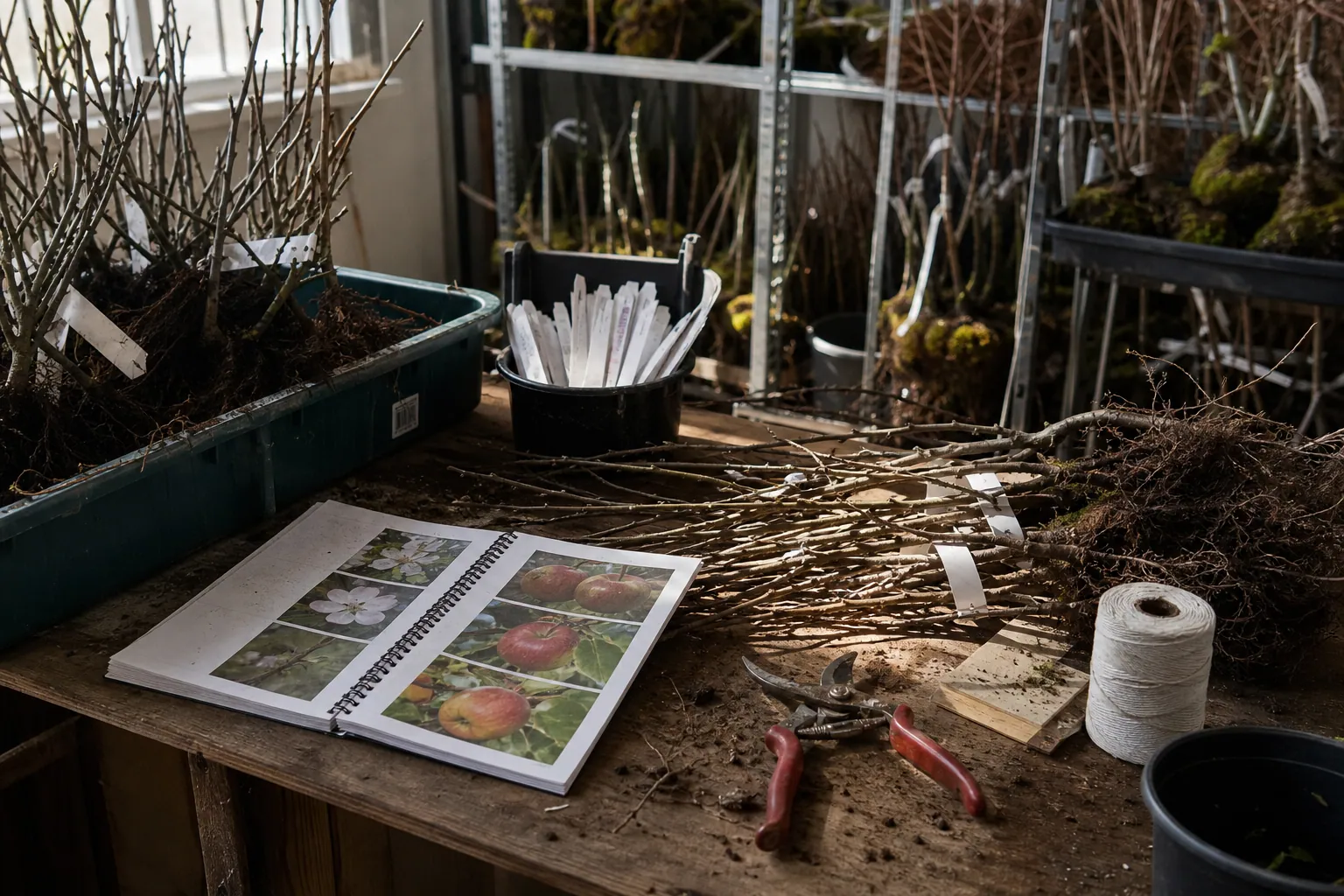
The AI Preorder Content Desk for Bare-Root Fruit Tree Nurseries
A practical AI-assisted Pinterest operating system for fruit tree nurseries that need accurate, inventory-aware preorder traffic before spring shipping.
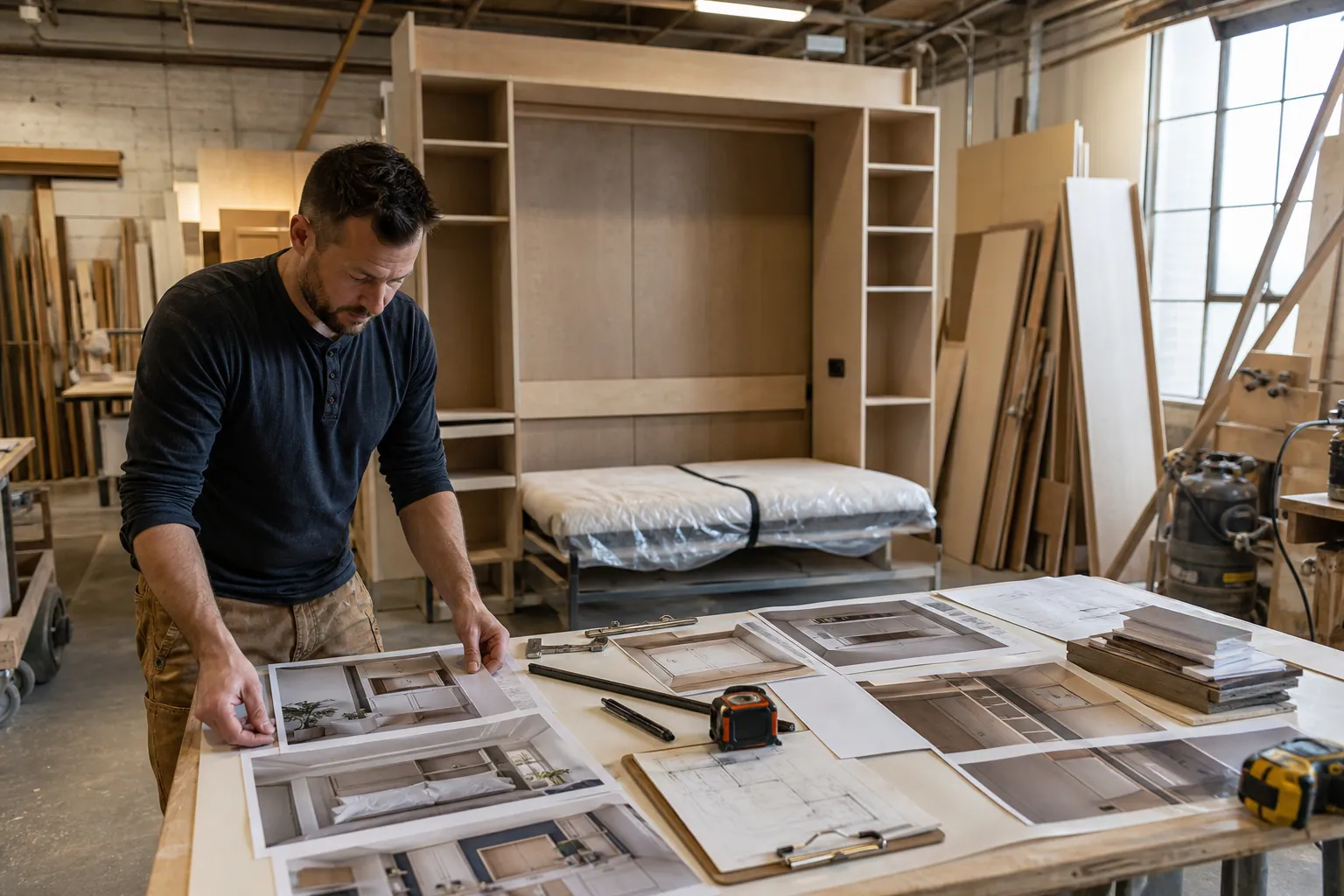
Case Study Memo: How a Murphy Bed Studio Replaced Room-Photo Pins With Fit-Plan Traffic
A composite case study for Murphy bed studios: compare room photos, sizing guides, catalog Pins, and local pages, then run a 30-day test for better design consultations.
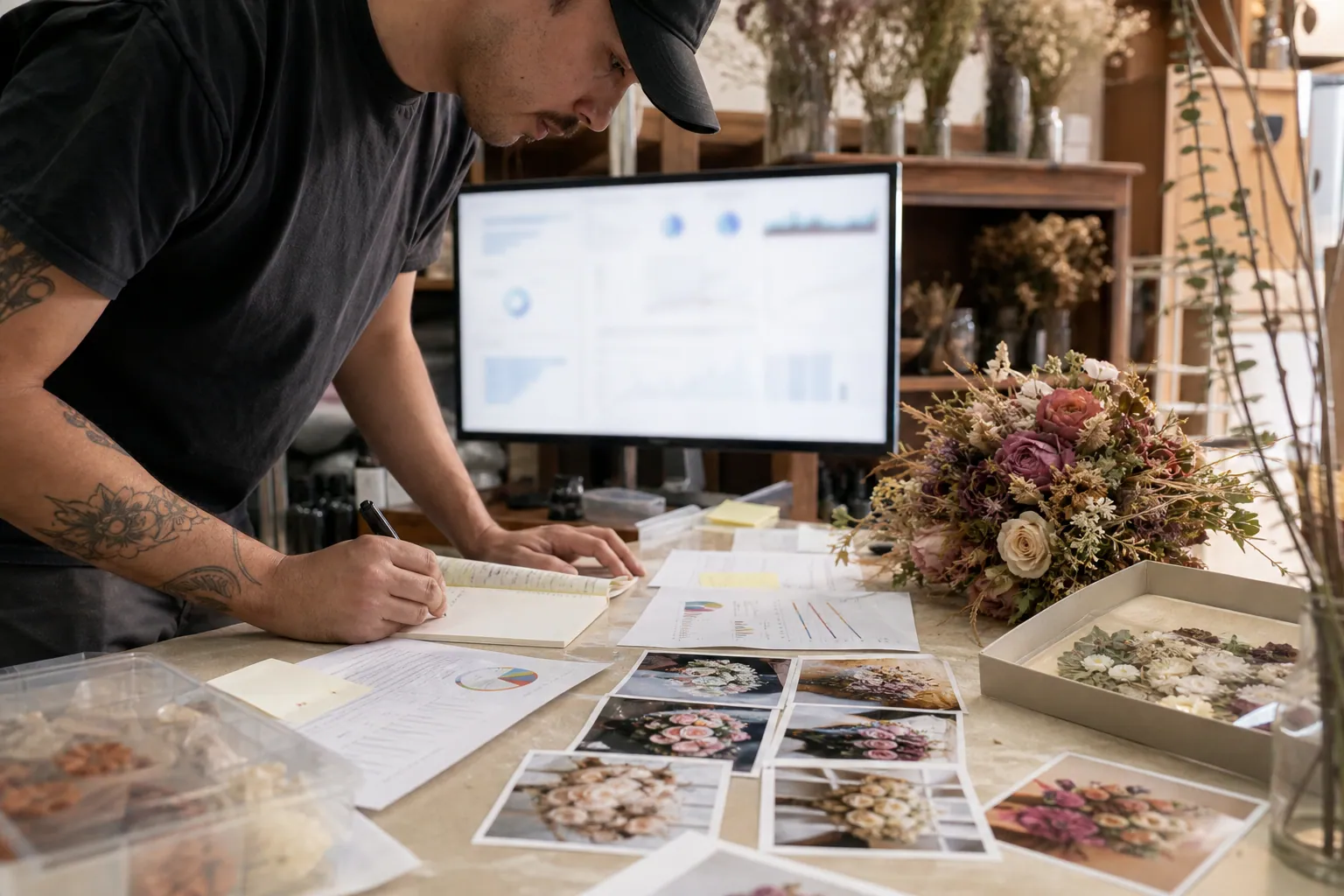
From Bouquet Intake to Booked Dates: A Pinterest Content Blueprint for Floral Preservation Studios
Turn bouquet intake notes, process photos, and client questions into a Pinterest publishing rhythm that earns better-fit floral preservation reservations.